
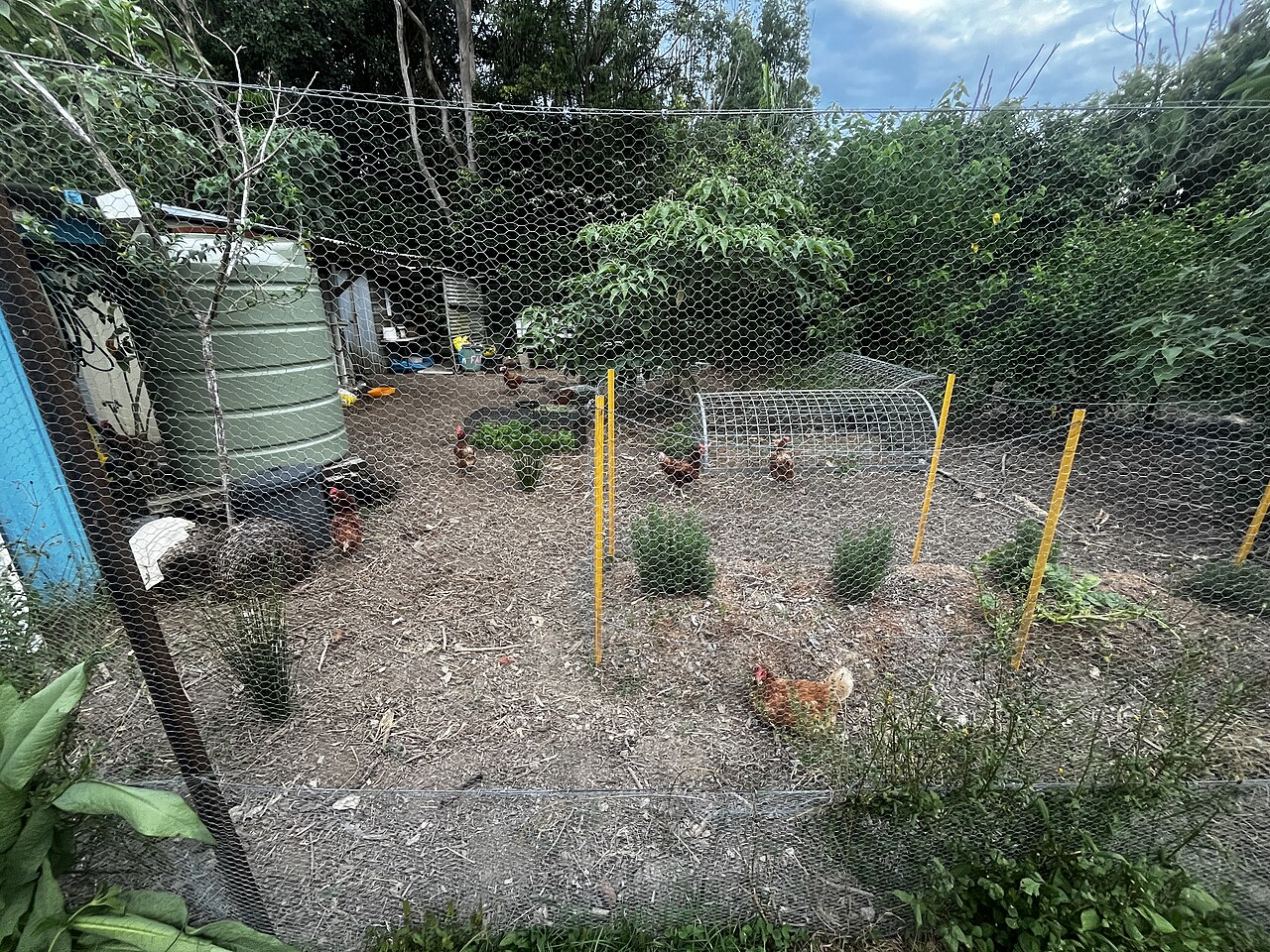
Many US cities allow backyard chickens within city limits, but the rules are set locally, so the only reliable answer comes from your own city’s zoning and municipal code. Most cities that allow chickens limit the number of hens, ban roosters and set rules on where the coop can sit, and some require a permit. Homeowners association rules and deed restrictions can be stricter than the city’s.
Because every town writes its own rules, there is no single national answer and no list that stays accurate for long. What you can do is learn exactly what to look for and where to find it. This guide explains the parts of the code that matter, how to look them up and how to ask your city when the code is unclear.
Who Makes the Rules on Backyard Chickens
Several layers of rules can apply to the same backyard. Your city or town sets zoning and animal-keeping rules within its limits. If you live outside city limits, in an unincorporated area, the county’s zoning code usually applies instead. On top of that, a homeowners association, condo board or the deed to your property can add restrictions of its own.
The University of Arizona Cooperative Extension makes a useful point in its guide to this question: your mailing address does not always tell you which government’s rules apply. A house with a city mailing address may sit in unincorporated county land, and the rules there can be very different. Confirming your jurisdiction is the first step.
State rules can matter too, though less often. Some states regulate the sale of eggs, the number of chicks that can be sold at once or poultry movement during disease outbreaks. University of Minnesota Extension, for example, notes that selling eggs or meat brings in additional state rules.
What to Check in Your City’s Code
When you find your city’s rules, they will usually cover some combination of the following. Read each part, because a city that “allows chickens” may still set conditions that rule out your yard.
| Rule Type | What It Controls | What to Look For |
|---|---|---|
| Zoning | Whether poultry is a permitted use in your zone | Residential zones may differ from agricultural or large-lot zones |
| Flock limits | How many birds you may keep | Limits tied to lot size; whether chicks count |
| Rooster bans | Whether males are allowed | Hens only is common in cities |
| Setbacks | How far the coop must be from lot lines and houses | Distances from neighbors’ homes, not just property lines |
| Permits or licenses | Whether you must register or pay a fee | One-time or annual permits; neighbor consent forms |
| Coop and sanitation standards | How birds must be housed and waste handled | Enclosure, odor, rodent control and manure storage rules |
| Slaughter and sales | Whether you can process birds or sell eggs | Separate rules may apply |
| HOA and deed rules | Private restrictions on your property | Covenants that ban livestock or outbuildings |
Flock Limits and Lot Size
Cities that allow chickens almost always cap the number of birds. Many tie the cap to lot size, so a larger lot may allow more hens. Some codes count all poultry together, including ducks and pigeons. Check whether young chicks count toward the limit and whether the rules mention “fowl,” “poultry” or “livestock,” since the wording affects what is covered.
Rooster Bans
Rooster bans are among the most common city rules, mostly because of noise. If your town bans roosters, buy sexed pullets rather than straight run chicks, and have a plan for any chick that turns out to be male. Sexing at the hatchery is not perfect, and some bantam breeds are only sold straight run.
Setbacks and Coop Placement
Setbacks are minimum distances between the coop and property lines, your house or neighboring homes. They can decide whether a small yard works at all. Read carefully: a rule measured from a neighbor’s house is different from one measured from the property line. Building and zoning codes may also limit the size or height of accessory structures, which can affect a larger coop or run.
Examples From City Code Pages
To show what these rules look like in practice, here are two examples taken from each city’s own website as of October 2026. They are illustrations only. Rules change, so always check the current code for your city.
Seattle, Washington. The Seattle Department of Construction and Inspections states that the city allows up to eight domestic fowl on a lot, with more allowed on lots over 10,000 square feet, and does not allow roosters. Its animal-keeping rules sit in the Land Use Code at SMC 23.42.052.
Portland, Oregon. The City of Portland’s Bureau of Planning and Sustainability states that up to four chickens, ducks, pigeons or similar small fowl may be kept on any lot without a permit, with up to six on lots of 10,000 square feet or more. Structures must be at least 3 feet from side and rear property lines and at least 10 feet from the front property line, under the city’s Title 13 standards.
Notice how different two large West Coast cities are on numbers and setbacks. Your city may be stricter, more relaxed or simply silent on chickens, which is a reason to call rather than assume.
How to Look Up Your Local Rules
Most cities publish their municipal code online, often through a code-hosting service linked from the city’s website. A few steps will get you to the right section:
- Confirm whether your property is inside city limits or in unincorporated county land, using your city or county GIS map or parcel lookup
- Find your zoning designation on the same map, and note your lot size
- Open the municipal code and search for “chicken,” “fowl,” “poultry” and “livestock”
- Check both the zoning chapter and the animal control or health chapter, since rules are often split between them
- Look for a permit page or application on the city’s planning or animal services site
- Read your HOA covenants or deed restrictions separately
Write down the code section numbers you find. If you ever face a complaint, being able to point to the exact rule you followed is a big help.
How to Ask Your City
If the code is unclear, contact your city’s planning or zoning department, which is what the University of Arizona Extension guide recommends. Animal control or the city clerk’s office can also help. Ask specific questions: whether poultry is allowed in your zoning district, how many hens are permitted on your lot size, whether roosters are allowed, what setbacks apply to a coop and whether you need a permit.
Ask for the answer in writing, or note the date and the name of the person you spoke with. Phone answers are sometimes wrong, and a written reply or code citation protects you. If your city does not allow chickens yet, some keepers have successfully asked their city council to change the ordinance. Ask how proposals are submitted and whether neighbors’ support helps.
Why Bantams Can Make City Keeping Easier
Bantam hens do not get special treatment in most codes, since a bantam counts as a chicken. But in practice they suit small city lots well. They need roughly half the coop and run space of a standard hen, eat less and produce less manure. A small, tidy bantam coop is also easier to fit within setbacks and accessory structure limits.
Bantam roosters, though, still crow. If your city bans roosters, the ban almost always covers bantam males too.
Being a Good Neighbor
Most complaints about city chickens involve noise, odor, rodents and birds getting loose. Keeping the coop clean, storing feed in sealed containers, collecting eggs daily and keeping hens inside a secure run goes a long way. Talking to neighbors before you start, and sharing a few eggs once the hens are laying, often heads off problems before they begin.
Frequently Asked Questions
Quick answers to common questions about keeping chickens in city limits.
How Many Chickens Can You Have in City Limits?
The number of chickens allowed in city limits depends on your city, and many cities tie the limit to lot size. Seattle allows up to eight domestic fowl on a lot, while Portland allows four without a permit, or six on lots of 10,000 square feet or more.
Is It Illegal to Have Chickens in City Limits?
Keeping chickens in city limits is illegal in some cities and legal with conditions in many others, so the answer depends on your local zoning and municipal code. Even where chickens are allowed, a rooster ban, setback or permit rule can still make your particular yard off limits.
Do Bantam Chickens Count Toward City Chicken Limits?
Yes, bantam chickens count toward city chicken limits in most codes, since a bantam is legally a chicken regardless of size. Bantam roosters also fall under rooster bans, because they crow just as loudly as standard roosters.
Can You Sell Eggs from Backyard Chickens in the City?
Selling eggs from backyard chickens brings in extra rules beyond the ordinance that lets you keep hens, usually from your state department of agriculture. Your city code may also treat sales separately, so check both before selling eggs to neighbors or at a market.
Why Do Cities Limit the Number of Chickens?
Cities limit the number of chickens mainly to control noise, odor, rodents and birds getting loose, which are the most common neighbor complaints. Rooster bans exist mostly because of crowing, and coop setbacks keep any smell or noise away from neighboring homes.
Sources (4)
Guidance and city examples in this article come from the following extension and city sources.
 Best Chicken Breeds for Beginners
 Bantam vs Standard Chickens
 Bantam Chickens