
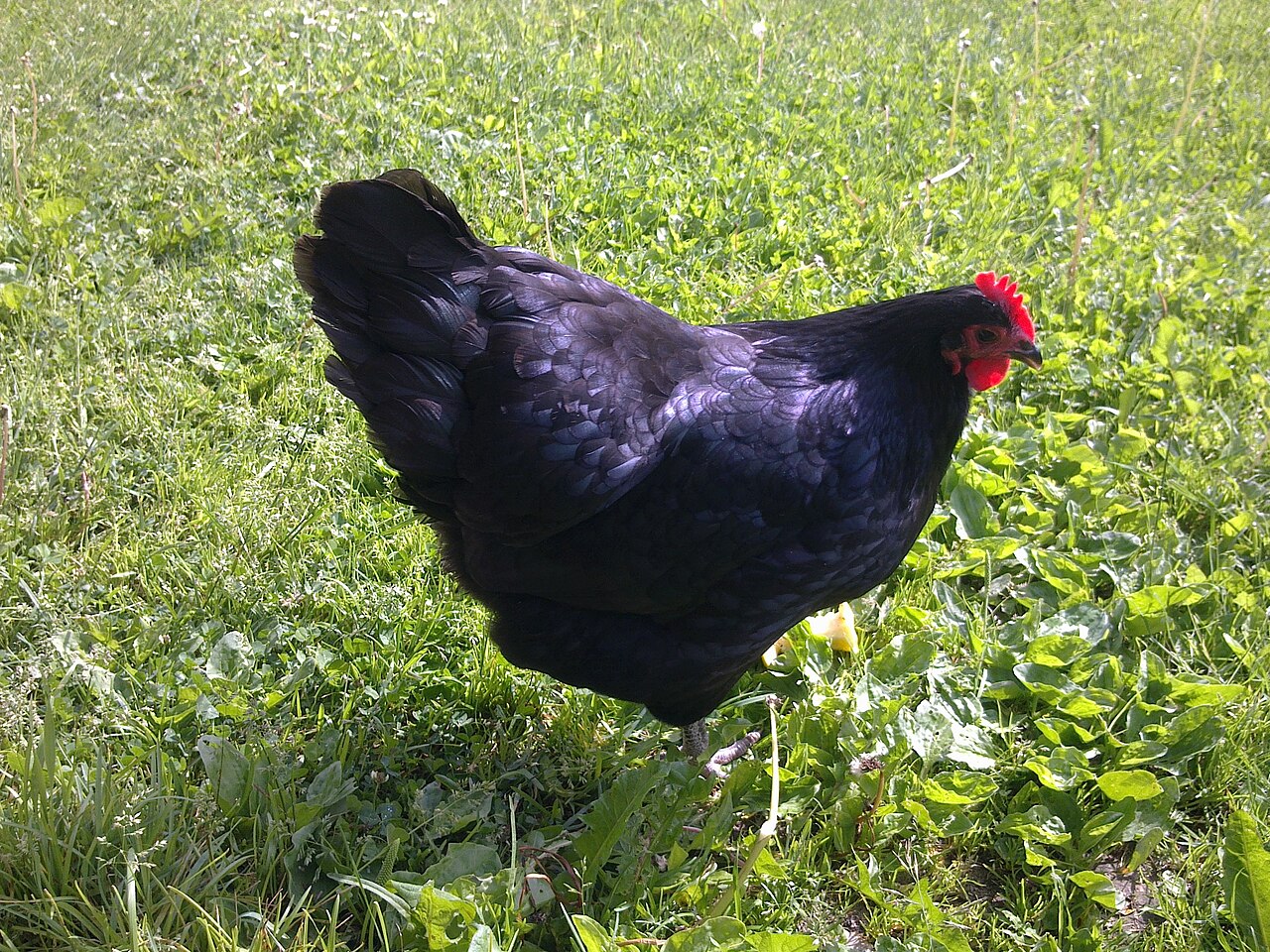
The Australorp is a calm, black, dual-purpose chicken bred in Australia from Black Orpingtons, and a typical hen lays about 250 to 280 light brown eggs a year. It is best known for a laying record: an Australorp hen is credited with laying 364 eggs in 365 days under Australian trapnest testing.
In the United States the only recognized color is black, so “Australorp” and “Black Australorp” usually mean the same bird. This profile covers the breed’s history, the famous record, appearance, temperament, egg laying, care and the bantam Australorp.
Australorp Quick Facts
- Egg color
- Light Brown
- Eggs per year
- 250 to 280
- Egg size
- Large
- Size class
- Large fowl and bantam
- Hen weight, standard
- 6.5 lb
- Rooster weight, standard
- 8.5 lb
- Hen weight, bantam
- 26 oz
- Rooster weight, bantam
- 30 oz
- Temperament
- Docile
- Cold hardiness
- High
- Heat hardiness
- Medium
- Broodiness
- Occasional
- Noise level
- Quiet
- Good for beginners
- Yes
- Confinement
- Good
- Purpose
- Dual purpose
- Start of lay
- 20 to 24 weeks
- Comb type
- Single
- Feathered feet
- No
- Crest
- No
- Origin
- Australia, from Black Orpington stock
- APA / ABA recognition
- APA: English class; ABA: Single Comb Clean Legged
- Conservation status
- Not listed (graduated from the priority list in 2023)
- Lifespan
- 6 to 10 years
History and Origin
The Australorp began with Black Orpingtons imported into Australia from the English poultry yards of William Cook and Joseph Partington between about 1890 and 1900. Australian breeders selected these birds for egg production rather than show fluff, and The Livestock Conservancy reports outcrosses to Minorca, White Leghorn and Langshan along the way.
The name, a blend of “Australian” and “Orpington,” was settled in the early 1920s. The American Poultry Association recognized the breed in the Standard of Perfection in 1929, in the English class. The Australorp later spent years on The Livestock Conservancy’s priority list before graduating from it in 2023.
The 364 Eggs in 365 Days Record
Australorps made their name in Australian laying competitions of the 1920s, when hens were trapnested so every egg could be credited to a single bird. The University of Wisconsin Extension describes the breed as holding the world’s record for egg production, with one hen having laid 364 eggs in 365 days under official Australian trapnest testing.
Sources differ on the exact hen, year and contest behind the 364-egg figure, so it is best treated as a celebrated historical record rather than a precisely documented event. The Livestock Conservancy also lists better-documented results from the same era: a team of six Australorp hens at Geelong, Victoria, laid 1,857 eggs in 365 days (an average of 309.5 each), and an Australorp hen laid 347 eggs in 365 days at the 1923 to 1924 Grafton contest. These were elite, intensively selected birds. A backyard Australorp today will not come close to an egg a day all year.
Appearance and Varieties
An Australorp is a medium-large, upright bird with tight, glossy black feathers that show a green or purple sheen in sunlight. It has a single comb with no more than seven points, red earlobes and wattles, dark eyes, and dark slate to black shanks with white or pinkish soles on the feet. Compared with its Orpington ancestor, it is sleeker and less fluffy, with a deeper body built for laying.
Black is the only color recognized by the APA. Blue and white Australorps exist and are sold by some hatcheries and breeders, and the breed standard in Australia includes more colors, but in American shows the breed is black.
| Size | Cock | Hen | Egg Size |
|---|---|---|---|
| Standard (large fowl) | 8.5 lb | 6.5 lb | Large |
| Bantam | 30 oz | 26 oz | Small |
Large fowl weights follow the APA standard as published by the University of Wisconsin Extension and The Livestock Conservancy. Bantam weights reflect the APA bantam standard. Individual birds vary.
Temperament
Australorps are steady, gentle birds. The Livestock Conservancy describes them as active yet gentle and friendly, roosters included, and notes they are popular for youth showing. Cackle Hatchery calls them calm and dependable and usually less flighty than lighter laying breeds.
They are good foragers but adapt well to a run, and they rarely start trouble with other breeds. Some birds are a little wary of being caught but settle once handled. As with any breed, individual roosters vary, so meet the parents or start with pullets if you want a guaranteed gentle flock.
Egg Laying
A healthy Australorp hen typically lays 250 to 280 eggs a year in her first laying season. Cackle Hatchery lists 250 to 280, and The Livestock Conservancy says backyard Australorps lay 250 or more medium to large eggs a year. Shells are light brown, sometimes described as tinted.
Most pullets start laying at about 20 to 24 weeks. Australorps have a good reputation as winter layers, so they often keep producing when other hens slow down, although shorter days still reduce output. Production falls gradually after the second or third year. Some hens go broody and make attentive mothers, but broodiness is less common than in Orpingtons.
Care Needs
Australorps are easy keepers. Their dense plumage makes them very cold hardy, though roosters with large single combs can get frostbite in damp, poorly ventilated coops. Keep bedding dry and increase ventilation if you see condensation on coop walls in the morning.
Heat is the bigger challenge. Black feathers absorb sunlight, so in hot weather give Australorps shade, airflow and cool water. Penn State Extension notes that heat stress may begin once temperatures reach the 80s and 90s °F, and lists heavy panting, wings held away from the body and pale combs as warning signs.
Provide about 4 square feet of indoor space per bird and 8 to 10 square feet in the run, a complete layer feed once hens start laying, and oyster shell on the side. Australorps can put on weight if overfed treats, which can affect laying, so keep treats to a small share of the diet. For any serious health concern, see a veterinarian with poultry experience.
Bantam vs Standard Australorp
The Australorp bantam is a miniature of the large fowl, with the same glossy black plumage, single comb and calm manner. Under the APA standard, a large fowl cock weighs 8.5 pounds and a hen 6.5 pounds, while the bantam standard is about 30 ounces for a cock and 26 ounces for a hen.
Bantam Australorps lay small light brown eggs and are kept mainly for exhibition and small backyard flocks. They are less common than the large fowl, so you may need to find a bantam specialist or breeder. For a small yard, they offer the Australorp’s easygoing nature with a fraction of the feed and coop space.
Who the Australorp Suits
The Australorp suits beginners and families who want a quiet, friendly hen that lays well, including through winter. It handles confinement well, gets along with mixed flocks, and does well in cold climates. It is also a good choice for youth exhibitors.
It is less ideal in very hot, sunny regions without good shade. Keepers who want colorful eggs or flashy plumage may prefer another breed, though many people find the green sheen on a black Australorp striking.
Where to Buy Australorp Chicks
Black Australorp chicks are widely available from major hatcheries and farm stores each spring, usually as sexed pullets or straight run. Blue Australorps are offered by some hatcheries, and bantam Australorps are mostly found through bantam specialists and breeders.
Hatchery birds are bred for backyard laying and are a good fit for most keepers. If you want birds close to the APA standard for showing, look for a breeder who exhibits Australorps and ask about the parent stock.
Frequently Asked Questions
Quick answers to common questions about Australorps.
How Long Do Australorp Chickens Live?
An Australorp typically lives 6 to 10 years. Laying is heaviest in the first 2 to 3 years, but a well-kept Australorp with shade in summer, dry bedding in winter and a sensible diet can stay active in the flock long after that.
Is the Australorp a Heritage Breed?
Yes, the Australorp qualifies as a heritage breed because the American Poultry Association recognized it in 1929, before the mid-20th century. Under the Livestock Conservancy definition, individual flocks must also be naturally mated, slow growing and long lived outdoors.
Are Australorps Noisy?
No, Australorps are a quiet breed. Hatcheries describe Black Australorps as quiet and gentle birds that handle confinement well, which suits suburban yards; an Australorp rooster still crows, so hens alone are the quietest option.
Do Australorps Have Feathered Feet?
No, Australorps have clean, unfeathered legs. Their shanks are dark slate to black with white or pinkish soles, which is one easy way to tell an Australorp from a feather-footed black breed such as the Black Cochin or Black Langshan.
Sources (6)
Breed facts and figures on this page were checked against these references.
- The Livestock Conservancy: Australorp Chicken
- University of Wisconsin Extension: Chicken Breeds and Varieties (A2880)
- Cackle Hatchery: Black Australorp
- Penn State Extension: Summer Flock Care, Keeping Your Birds Cool and Comfortable
- The Livestock Conservancy: Heritage Chicken Definition
- Murray McMurray Hatchery: Black Australorp
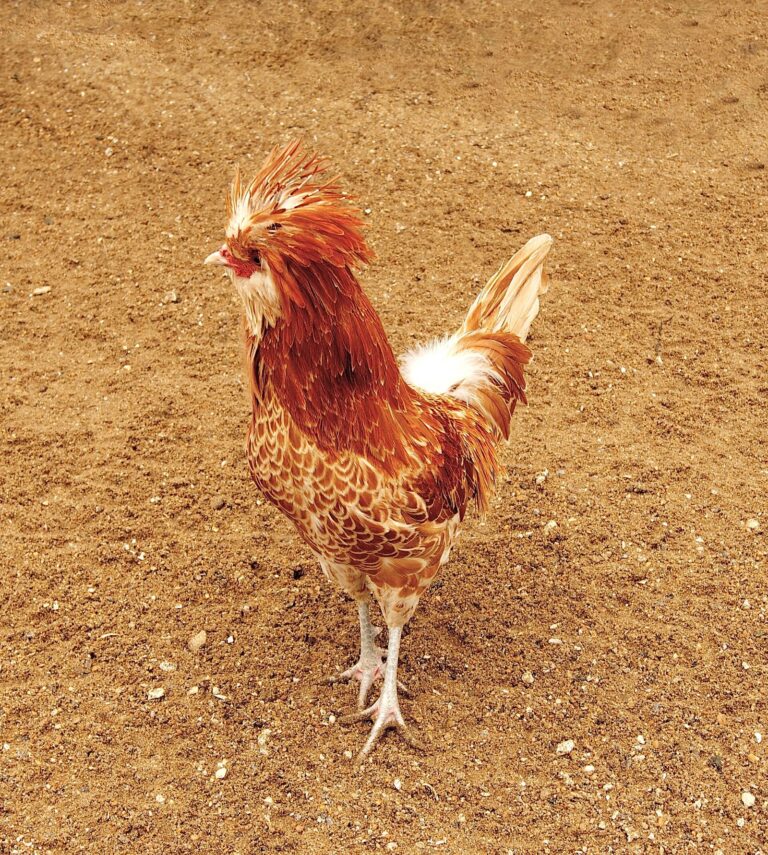 Polish Chicken
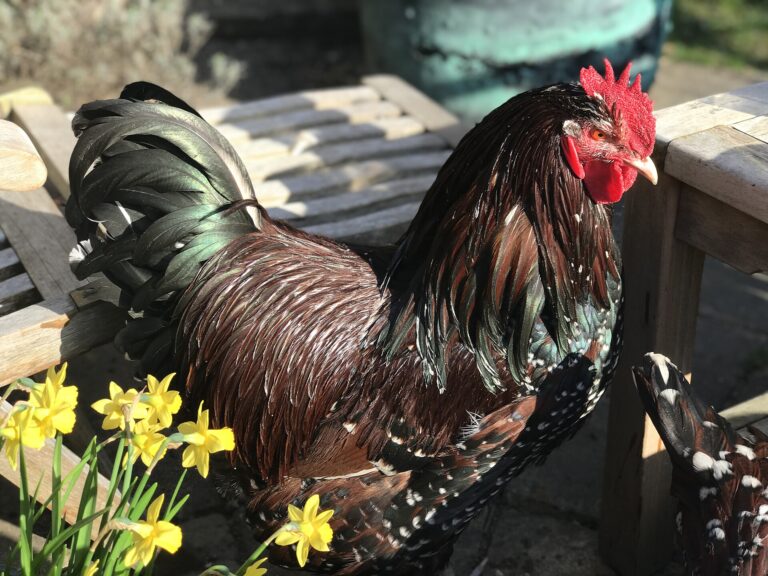 Sussex Chicken
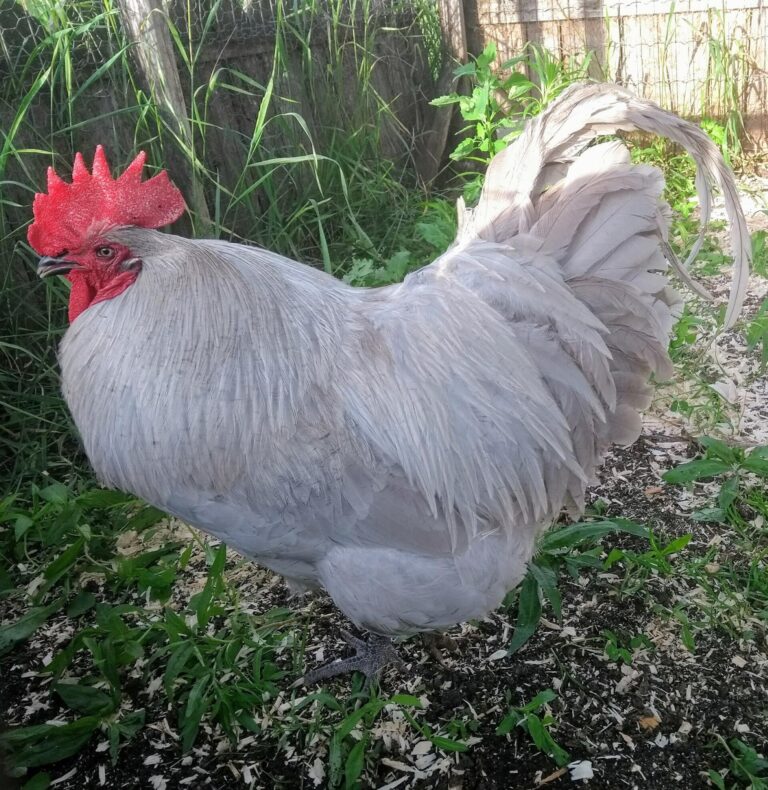 Lavender Orpington
 Easter Egger Chicken