
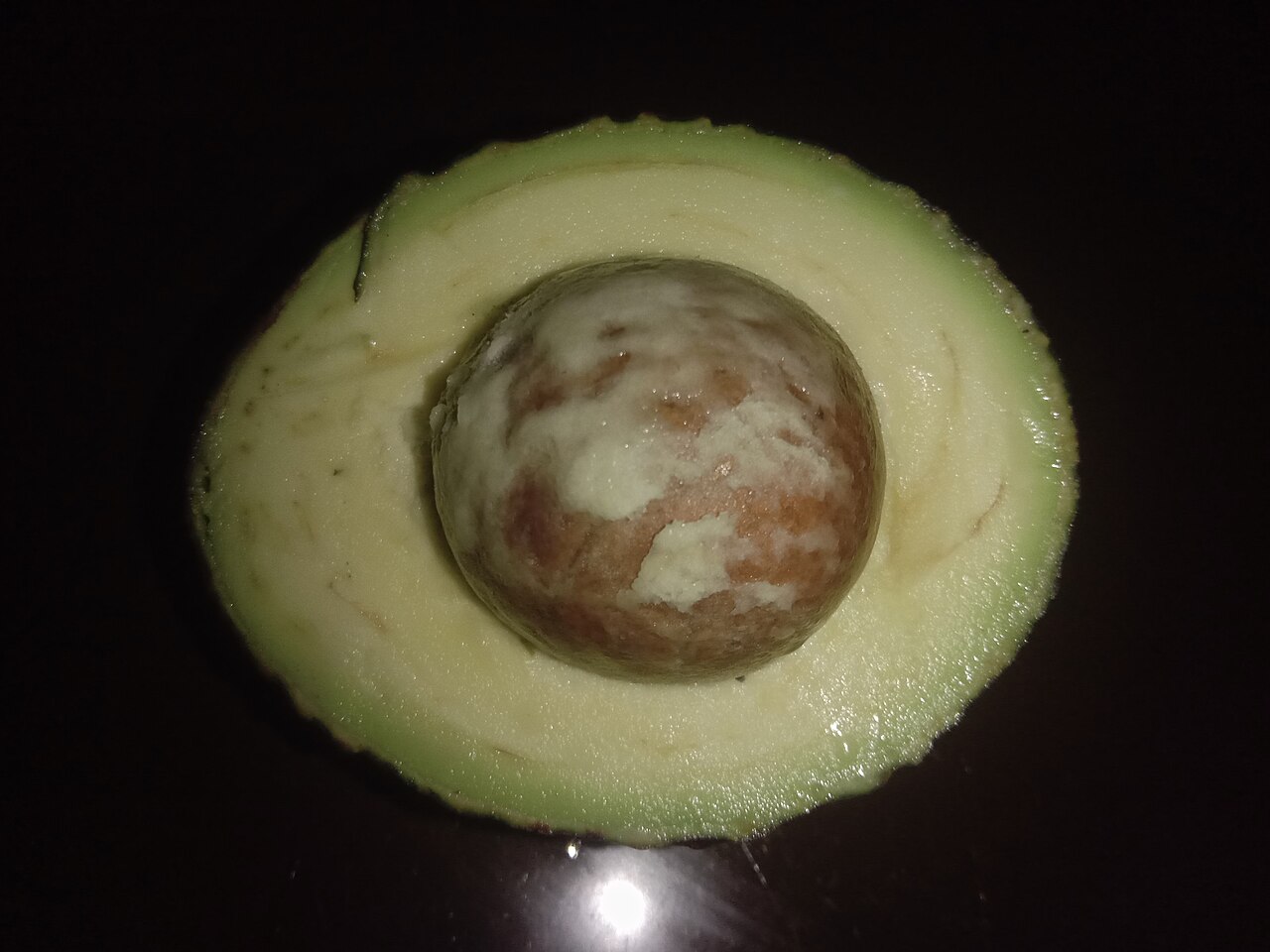
No, we recommend that you do not feed avocado to chickens. Avocado contains persin, a toxin that veterinary references link to heart damage and death in birds. The leaves, pit and skin carry the most risk, and while some sources consider the flesh safe, there is no reliable safe amount, so it is best avoided entirely.
Avocado is one of the few common foods that is genuinely risky for chickens. The Merck Veterinary Manual names persin as the toxic principle in avocado and lists chickens and turkeys, along with pet birds such as budgerigars, canaries and cockatiels, among the animals susceptible to avocado toxicosis. The ASPCA says the biggest concern is cardiovascular damage and death in birds and rabbits.
Below we explain what persin is, which parts of the avocado are most dangerous, what the honest debate over the flesh looks like, how avocado affects bantams and chicks, and what to do if a chicken eats some.
How Much Avocado Can Chickens Eat?
The safest answer is none. Most treats fall under the general guideline that extras should make up no more than about 10 percent of a chicken’s daily diet, but avocado is not a treat to portion out; it is a food to keep out of the run. There is no established safe dose for chickens, the amount of persin varies with the variety and the part of the plant, and the effects of persin on the heart cannot be reversed by a home remedy.
Size matters too. Bantams weigh a fraction of what a large fowl hen weighs, and chicks weigh only ounces, so the same piece of avocado is a much larger dose for them. Because there is no amount anyone can confidently call safe, we recommend treating avocado as off limits for the whole flock.
What Is Persin?
Persin is a natural compound found in the avocado plant (Persea americana). In laboratory and livestock studies summarized by the Merck Veterinary Manual, it has caused inflammation of the mammary gland in lactating animals and damage to heart muscle at higher doses. Birds and many mammals, including cattle, goats, horses, rabbits and sheep, are listed as susceptible, while dogs are relatively resistant.
Merck also notes that Guatemalan varieties of avocado are the ones most commonly associated with poisoning, and that leaves are the most toxic part of the plant. That variability is one reason it is hard to give a clear answer about any single avocado on your counter.
Why Birds Are Particularly Sensitive
Birds stand out in the veterinary literature on avocado. Merck describes signs in birds that include lethargy, labored breathing, reduced appetite, fluid swelling of the neck and chest, and death, and notes that damage to the heart can be extensive, especially in birds. In one reported example, budgerigars that ate 8.7 grams of mashed avocado fruit died within 48 hours, and birds that ate just 1 gram became agitated and pulled out feathers.
Merck adds an important nuance: caged birds appear more susceptible to avocado, while chickens and turkeys seem more resistant. That is helpful context, and it is likely why some chickens have eaten avocado scraps without obvious harm. But more resistant is not the same as safe, and chickens remain on the list of susceptible species.
The Debate Over Avocado Flesh
You will find conflicting advice about the ripe flesh. Some feed companies, including Purina, flag the pit and skin as the parts that contain persin and describe the flesh as fine. Many keepers report feeding small amounts of flesh without problems.
On the other side, the Merck Veterinary Manual lists the fruit itself as a source associated with toxicosis, and the bird deaths it describes involved mashed fruit, not leaves or pits. The UC Davis School of Veterinary Medicine and University of California Cooperative Extension list avocado, without qualification, among foods to avoid giving backyard flocks. Since the potential harm is serious and avocado offers chickens nothing they cannot get from safer foods, we recommend skipping the flesh as well.
Which Parts of Avocado Are Most Dangerous?
The table below summarizes the relative risk of each part based on veterinary references. If you have an avocado tree, the leaves and fallen fruit are the main exposure risk for free-ranging birds.
| Part | Risk to chickens | Notes |
|---|---|---|
| Leaves | Highest | Merck lists the leaves as the most toxic part of the plant |
| Pit (seed) | High | Contains persin and is a choking or blockage hazard |
| Skin | High | Contains persin; often cited as a concern for birds |
| Stems and bark | High | Part of the plant associated with toxicosis |
| Flesh (fruit) | Uncertain, avoid | Listed as a toxic source in animals; caged birds have died after eating mashed fruit |
| Guacamole and dips | High | Also contains onion, garlic and salt |
Avocado Trees and Free-Range Flocks
In the warmer parts of the United States, especially California, Florida and Texas, many backyards have avocado trees. Fence the area under the tree, rake up fallen leaves and fruit regularly, and do not use avocado leaves or prunings as coop bedding or run litter. Avocado leaves in compost that the flock can scratch through are another route of exposure, so keep that pile fenced as well.
Can Chicks Eat Avocado?
No. Chicks should never be given avocado in any form. Their small body weight means a tiny amount is a large dose, and young birds are less able to cope with heart and breathing problems. Starter feed provides everything chicks need, so there is no reason to offer avocado or any other risky food.
If you raise chicks with a broody hen in a yard with avocado trees, make sure the area she leads them through is clear of fallen leaves and fruit.
Avocado Nutrition per 100 Grams
For the record, here is what avocado contains, from USDA FoodData Central for raw avocado (all commercial varieties). Avocado is unusually high in fat for a fruit, at 14.7 grams per 100 grams, which on its own would make it a poor treat for chickens, since high fat scraps are best kept to a minimum.
| Nutrient (per 100 g) | Raw avocado |
|---|---|
| Water | 73.2 g |
| Energy | 160 kcal |
| Protein | 2.00 g |
| Fat | 14.7 g |
| Carbohydrate | 8.53 g |
| Fiber | 6.7 g |
| Total sugars | 0.66 g |
| Calcium | 12 mg |
| Potassium | 485 mg |
| Vitamin C | 10.0 mg |
| Vitamin K | 21.0 µg |
None of these nutrients are unique to avocado. Leafy greens, squash and cooked eggs are safer ways to add variety and nutrition to a flock’s diet.
What to Do If a Chicken Eats Avocado
If you find that a chicken has eaten avocado, stay calm and act quickly. Remove any remaining avocado and keep other birds away from it. Note which part was eaten, roughly how much and when, and move the bird to a quiet, comfortable spot with fresh water and minimal stress.
Call a veterinarian who treats poultry or an avian vet right away, particularly if the bird is a bantam or a chick. Watch for lethargy, fluffed feathers, labored or open-mouthed breathing, reduced appetite and swelling around the neck or chest. There is no confirmatory test or specific antidote; according to Merck, treatment is supportive and aimed at the signs. The ASPCA Animal Poison Control Center (888-426-4435) can also give guidance; a consultation fee may apply. Do not try to induce vomiting at home.
Safer Alternatives
If you were hoping to share avocado because it is healthy for people, try other foods that are safe for chickens instead. Leafy greens such as lettuce, kale and chard, cooked squash or pumpkin, cucumber, berries, watermelon and a little scrambled egg all make good treats. Keep the total within about 10 percent of the daily diet.
What to Avoid
Avoid every part of the avocado: flesh, skin, pit, leaves, stems and bark. Do not feed guacamole, avocado toast or salads with avocado, which also tend to contain onion, garlic, salt and oil. Keep kitchen scrap buckets free of avocado peels and pits, keep birds away from avocado trees and their leaf litter, and call a veterinarian promptly if you suspect a bird has eaten any.
Frequently Asked Questions
Quick answers to common questions about chickens and avocado.
Can Chickens Have Avocado Oil?
No, avocado oil is best kept away from chickens. No veterinary reference sets a safe amount of any avocado product for poultry, and oil is almost pure fat, which makes it a poor choice for chickens even apart from persin; leafy greens or cooked squash are better treats.
Can Ducks Eat Avocado?
No, ducks should not eat avocado either. The Merck Veterinary Manual lists birds including chickens, turkeys, ostriches, budgerigars, canaries and cockatiels as susceptible to avocado toxicosis, and there is no reason to treat ducks in a mixed flock any differently.
Will a Small Bite of Avocado Kill a Chicken?
A small bite of avocado does not always kill a chicken, since the Merck Veterinary Manual notes chickens seem more resistant than caged birds, but there is no known safe amount. Call a poultry vet promptly if a bird eats any avocado, especially a bantam or chick, and watch for labored breathing or swelling.
Sources (6)
These are the references used to check the facts on this page.
- Merck Veterinary Manual: Avocado (Persea spp) Toxicosis in Animals
- ASPCA: People Foods to Avoid Feeding Your Pets
- UC Davis School of Veterinary Medicine and UC Cooperative Extension: Feeding Your Flock
- Purina Animal Nutrition: What to Feed Chickens: Chicken Treats to Feed and Avoid
- USDA FoodData Central: Avocados, Raw, All Commercial Varieties
- Merck Veterinary Manual: Avocado (Persea spp) Toxicosis in Animals
 Can Chickens Eat Chocolate?
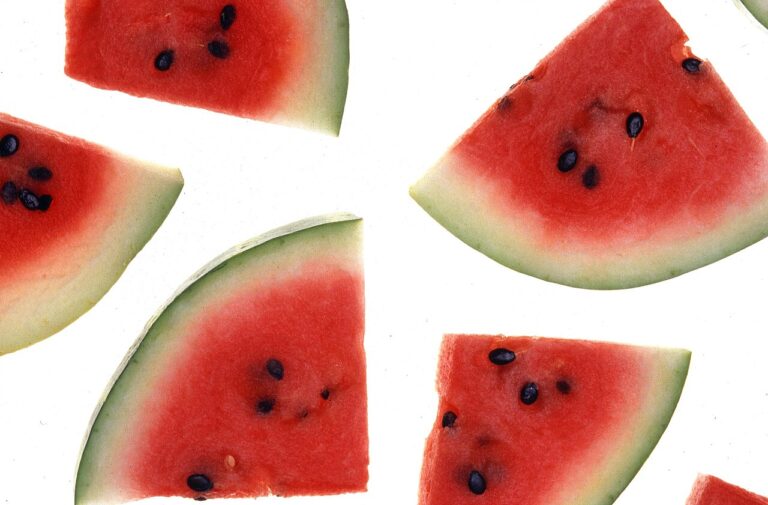 Can Chickens Eat Watermelon?
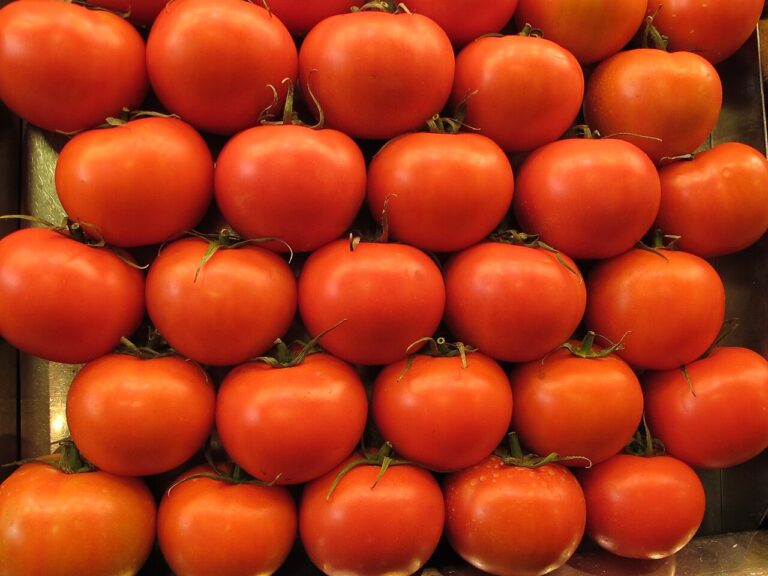 Can Chickens Eat Tomatoes?
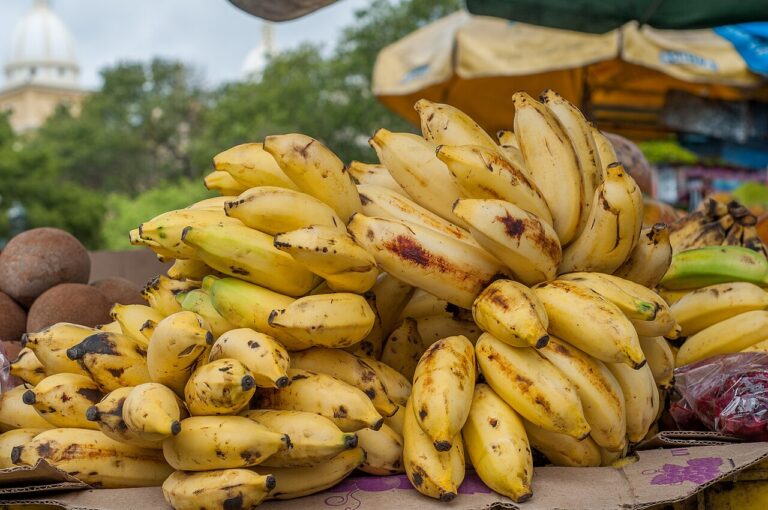 Can Chickens Eat Bananas?