
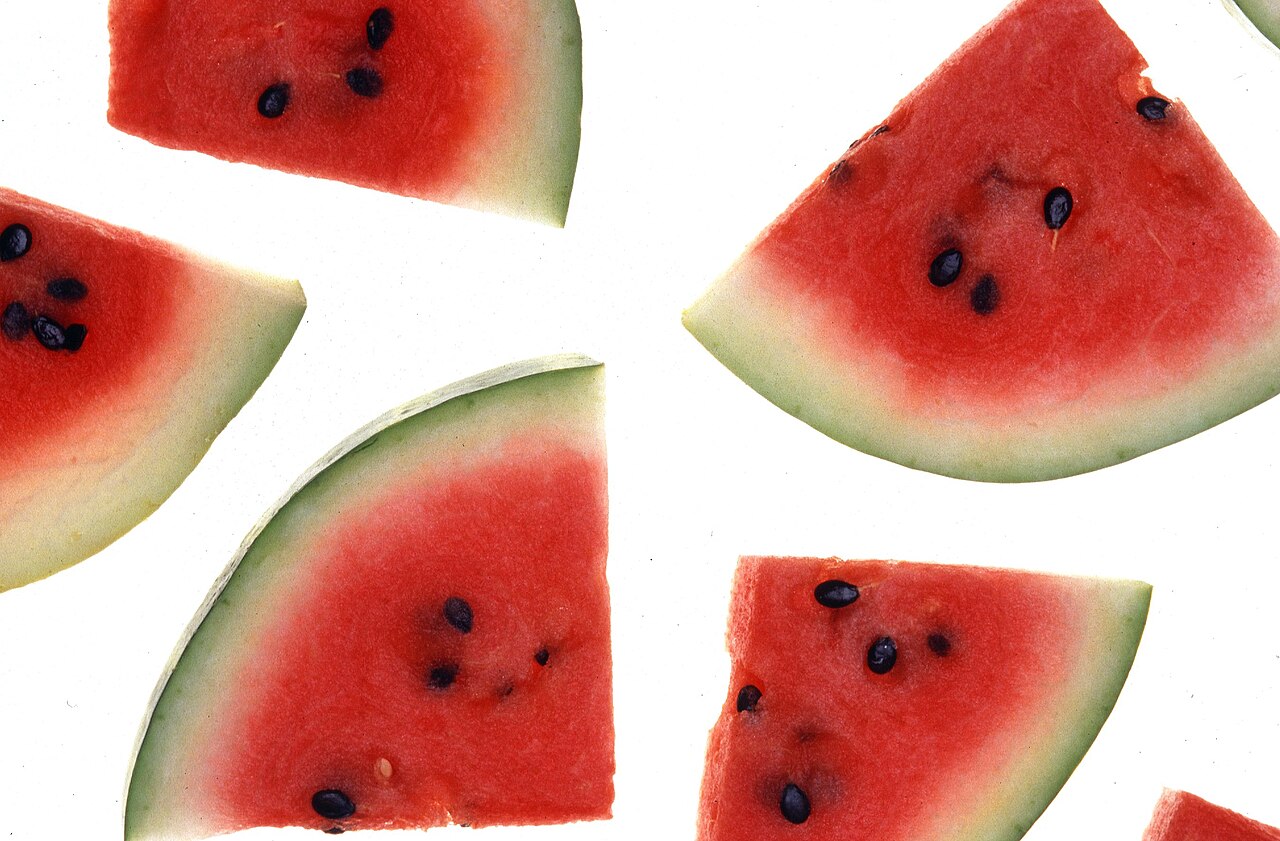
Yes, chickens can eat watermelon, including the rind and the seeds. It is more than 90 percent water, which makes it one of the best hot weather treats you can offer. Keep portions modest, about 2 tablespoons of flesh per large hen and half that for a bantam, so it does not crowd out feed.
Chickens can eat watermelon safely, and it is a classic summer treat for good reason. USDA FoodData Central lists raw watermelon at 91.4 grams of water and only 30 kcal per 100 grams, and the University of Arizona Cooperative Extension suggests frozen watermelon as a way to help hens stay cool and occupied in extreme heat.
This guide covers how much watermelon for chickens is enough, how to prepare it, what to do with the rind and seeds, how to use it during heat waves, and what to watch for with chicks and bantams.
How Much Watermelon Can Chickens Eat?
Treats should make up no more than about 10 percent of a chicken’s daily diet, with complete feed supplying the rest. Purina puts that at about 2 tablespoons of treats for a laying hen eating half a cup of feed. Watermelon is light and watery, so you can be a little more relaxed with it than with grapes or bread, but the same limit still applies because a full crop of melon leaves no room for the protein and calcium in layer feed.
USDA lists a cup of diced watermelon at about 152 grams. For a flock of six large hens, roughly three quarters of a cup of diced flesh, or a small wedge left on the rind for them to work at, is a sensible daily share. Bantams need about half as much per bird.
| Bird or flock | Watermelon flesh per day | Serving idea |
|---|---|---|
| Large fowl hen or rooster | About 2 tablespoons diced (roughly 15 to 20 g) | Chunks or a rind to peck |
| Bantam | About 1 tablespoon diced | Small cubes |
| Chicks 2 to 4 weeks | A spoonful of tiny cubes, shared | Seedless flesh, diced fine |
| Flock of 6 large hens | About 3/4 cup diced (roughly 110 g), or a small wedge | Wedge left on the rind |
| Flock of 6 bantams | About 1/3 to 1/2 cup diced | Several small pieces spread out |
On very hot days you can offer watermelon a little more often, since it also helps with hydration, but it should never replace fresh drinking water or the morning feed.
How to Prepare Watermelon for Chickens
Rinse the outside of the melon before cutting, since the knife carries anything on the rind into the flesh. The easiest way to serve it is to cut a wedge or half a small melon and set it flesh side up in a shady spot. Chickens will peck the red flesh down to the rind, and the activity keeps them busy for a long time.
For bantams and chicks, cut the flesh into small cubes. Bantams can work at a wedge too, but larger birds will crowd them out, so give the small birds their own pieces in a separate spot.
Frozen Watermelon for Hot Days
Frozen watermelon is a favorite heat wave trick. Cube the flesh and freeze it on a tray, or freeze chunks inside a shallow container of water to make a block. Mississippi State University Extension also suggests freezing cut fruits and vegetables in ice cube trays as a hot weather treat, while reminding keepers that birds tend to eat less in the heat, so make sure they are still eating their balanced feed. Serve frozen treats in the shade and pick up what is left once it has thawed.
Watermelon Rind and Seeds
Every part of the watermelon fruit is safe for chickens, but some parts are more useful than others.
Rind
The rind is safe. Chickens usually eat the soft pale layer right next to the red flesh and leave the hard green skin. You do not need to remove the rind; leaving it on makes the melon easier to serve and gives birds something to hold steady while they peck. Once the flesh is gone, remove the rinds from the run, ideally within a few hours, before they draw ants, wasps and flies.
Seeds
Watermelon seeds are also safe. Chickens eat seeds of all kinds, and the black seeds in a ripe melon and the soft white seed coats in seedless types pass through without trouble. If you are dicing melon for very young chicks, choose seedless flesh or pick out the larger black seeds just to keep pieces easy to swallow.
Watermelon as a Hot Weather Treat
Chickens do not sweat, and they cool themselves mainly by panting and by holding their wings away from their bodies. The University of Arizona Cooperative Extension describes heavier panting, wings held out and a slight crouch as signs of light to moderate heat stress, and heavy panting with a pale comb and wattles, lethargy or limpness as signs of danger.
Watermelon helps by adding water and giving birds a reason to rest in the shade, but it works alongside other measures rather than instead of them. Provide plenty of shade, several sources of cool, clean water and good ventilation in the coop. Arizona Extension also advises limiting treats and skipping scratch grains during heat waves, since treats can reduce appetite for layer feed, and feeding the ration in the early morning or late evening when it is cooler. A bird showing signs of heat exhaustion needs to be cooled right away and checked by a veterinarian if she does not recover quickly.
Can Chicks Eat Watermelon?
Chicks can have small amounts of watermelon once they are a couple of weeks old and eating starter feed well. Dice seedless flesh very small and offer a spoonful for the whole brood. Like all treats, it should be occasional, because starter feed needs to supply nearly everything a growing chick eats.
Give chicks chick-size grit if they get anything other than starter, and expect slightly wetter droppings after melon. Keep the brooder dry and clean up any dropped pieces, since wet bedding encourages bacteria and mold.
Watermelon Nutrition per 100 Grams
The figures below are from USDA FoodData Central for raw watermelon. It is mostly water, with modest sugar, a little vitamin C and plenty of lycopene, the red pigment also found in tomatoes. It offers almost no protein, which is why it works as a cooling snack and not as food.
| Nutrient (per 100 g) | Raw watermelon |
|---|---|
| Water | 91.4 g |
| Energy | 30 kcal |
| Protein | 0.61 g |
| Fat | 0.15 g |
| Carbohydrate | 7.55 g |
| Fiber | 0.4 g |
| Total sugars | 6.20 g |
| Calcium | 7 mg |
| Potassium | 112 mg |
| Vitamin C | 8.1 mg |
| Vitamin A (RAE) | 28 µg |
| Lycopene | 4,530 µg |
With 6.20 grams of sugar per 100 grams, watermelon has less than half the sugar of grapes and about half that of bananas, which is why it is one of the gentler fruit treats.
Storing Watermelon Scraps
Cut watermelon spoils quickly at room temperature. Cover cut melon and keep it in the refrigerator for a few days at most, and freeze extra cubes for later. Do not feed melon that has turned slimy, smells fermented or shows mold. Remove rinds and leftover pieces from the run the same day.
Related Melons and Summer Treats
Cantaloupe, honeydew and other melons are safe for chickens in the same way, including their seeds and rinds. Cucumber and zucchini are lower sugar alternatives that are also very watery. Frozen berries, chopped lettuce in a tray of ice and a shallow pan of cool water for birds to stand in are other good ways to help a flock through hot weather.
What to Do If a Chicken Eats Something Toxic
Summer cookouts can leave risky leftovers near the coop. If a chicken eats something harmful, such as avocado, chocolate, alcohol, salty chips or moldy food, take it away, note what and how much was eaten, and settle the bird in a quiet, shady place with water. Watch for lethargy, labored breathing, swelling, diarrhea or tremors.
Call a veterinarian who treats poultry promptly, and do not wait with bantams or chicks, which are affected by smaller amounts. The ASPCA Animal Poison Control Center (888-426-4435) is also available; a fee may apply.
What to Avoid
Avoid spoiled or fermented melon, melon rinds left in the run for days, salted watermelon and fruit salads mixed with other ingredients. Do not let melon replace drinking water or feed in hot weather, and keep the overall treat allowance at about 10 percent of the daily diet.
Frequently Asked Questions
Quick answers to common questions about feeding watermelon to chickens.
Can Chickens Eat Old Watermelon?
Chickens can eat watermelon that is a few days old if it was covered, refrigerated and still smells fresh, but never melon that is slimy, moldy or fermented. Spoiled produce can carry molds that are harmful to poultry, so compost questionable watermelon and clear rinds from the run the same day.
Can Watermelon Give Chickens Diarrhea?
Watermelon can make chicken droppings wetter, because it is about 91 percent water, but that is usually not true diarrhea. Keep portions to about 2 tablespoons of flesh per large hen and 1 tablespoon per bantam, and call a vet if droppings stay loose or the bird seems lethargic.
Can Chickens Eat Watermelon Leaves and Vines?
Watermelon leaves and vines are best kept out of the run, since the ripe flesh and rind are the parts worth feeding. Garden vines may have been sprayed, so if plants were treated, keep chickens away until the product label’s waiting period has passed.
Sources (4)
These are the references used to check the facts on this page.
 Can Chickens Eat Chocolate?
 Can Chickens Eat Avocado?
 Can Chickens Eat Tomatoes?
 Can Chickens Eat Bananas?