
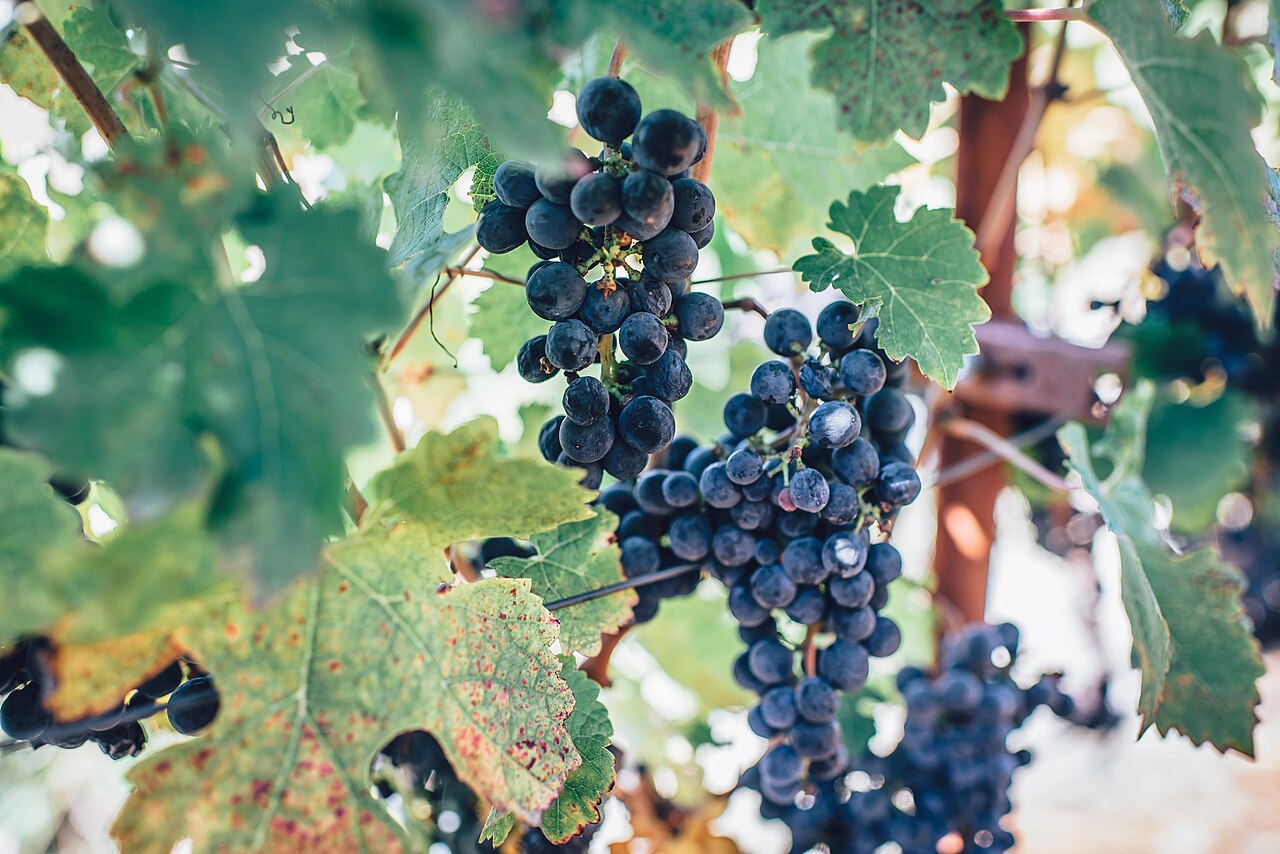
Yes, chickens can eat grapes, but only as an occasional treat. Grapes are mostly water and sugar, so keep them to a couple per large hen and one per bantam a day, and cut them in halves or quarters so smaller birds cannot choke.
Chickens can eat grapes safely, and most flocks love them. Fresh grapes contain about 15.5 grams of sugar per 100 grams according to USDA FoodData Central, so the right amount is small: roughly 2 grapes for a large hen and 1 for a bantam, as part of a treat allowance that stays under about 10 percent of the daily diet.
Below you will find how many grapes to give by bird size, how to prepare them, whether skins, seeds, vines and raisins are safe, what to know about the grape toxicity warnings for dogs, and how to handle chicks.
How Many Grapes Can Chickens Eat?
The standard guideline for any treat is that it should make up no more than about 10 percent of what a chicken eats in a day, with complete feed supplying the rest. Purina puts that at about 2 tablespoons of treats for a laying hen eating half a cup of feed. A typical seedless grape weighs about 5 grams, so a large hen’s whole treat allowance is only two or three grapes, and that is if grapes are the only treat she gets that day.
Bantams need much less. Many bantam hens weigh a pound or two, a fraction of a large fowl hen, so one grape is plenty. Because sugar adds up quickly, think of grapes as a few-times-a-week treat rather than a daily one, and rotate them with lower sugar options such as leafy greens or cucumber.
| Bird | Grapes per day | How to cut |
|---|---|---|
| Large fowl hen or rooster | About 2 grapes | Halved |
| Bantam | About 1 grape | Quartered |
| Chicks 2 to 4 weeks | A sliver or two, shared | Finely chopped |
| Chicks under 2 weeks | None | Starter feed only |
If you are treating a whole flock, count grapes rather than tossing a bunch into the run. A flock of six large hens needs only about a dozen grapes, while six bantams need about six. The most assertive birds will grab more than their share, so scatter the pieces widely.
How to Prepare Grapes for Chickens
Rinse grapes well under running water to remove dirt and surface residues. Pull them off the stems and check for any that are moldy, split and fermenting, or mushy. Spoiled fruit can carry molds that are harmful to poultry, so those go in the compost bin, not the run.
Cut the grapes. Whole grapes are round, slippery and about the size of a small chicken’s throat, so halve them for large fowl and quarter them for bantams. Chickens swallow food whole and have no teeth, so a firm, round grape can lodge in the throat of a small bird. Cutting also lets more birds share a single grape.
On hot days, frozen grape halves make a cooling treat. Spread the cut pieces on a tray, freeze them, and scatter a few in a shady part of the run. In cool weather, serve grapes at room temperature.
Grape Skins, Seeds, Vines and Raisins
Different parts of the grape come up often, so here is how each one stacks up.
Skins and Seeds
Grape skins are safe and are eaten along with the flesh. Seeds in seeded varieties are small and hard, and chickens eat seeds of many kinds without trouble. Seedless grapes are simply easier to cut and serve.
Grape Leaves and Vines
Chickens will happily pick at grape leaves, and many keepers let birds clean up fallen leaves and fruit under backyard vines. The main concern is sprays. Grapevines are often treated with fungicides and insecticides, so keep chickens away from vines until the product label’s waiting period has passed, or skip sprayed vines entirely. Hens will also strip low-hanging fruit before you can pick it, so fence the vines if you want the harvest.
Raisins
Raisins are grapes with most of the water removed, which concentrates the sugar. USDA FoodData Central lists dark seedless raisins at 65.2 grams of sugar per 100 grams, about four times as much as fresh grapes. A couple of raisins as a training reward is fine; a handful is a lot of sugar for a chicken. Avoid raisins in baked goods, trail mix or cereals, which add salt, fat and sometimes chocolate.
Are Grapes Toxic to Chickens Like They Are to Dogs?
This is a fair question, since grapes and raisins are a well-known danger for dogs. The Merck Veterinary Manual notes that eating grapes or raisins has led to kidney failure in some dogs and has been reported in one cat. The ASPCA attributes the effect to tartaric acid, which dogs are not able to process.
There is no established grape toxicity in chickens. Veterinary references do not list grapes as a poultry hazard, and grapes appear on lists of acceptable fruit treats for chickens. The reason for moderation is sugar and balance, not poison. That said, if you also keep dogs, keep grape scraps out of their reach when you carry treats out to the coop.
Can Chicks Eat Grapes?
Chicks do not need grapes or any other treat. Starter feed is complete, and a chick’s small crop fills quickly with sugary fruit that crowds out the protein it needs to grow. If you want to offer a taste, wait until chicks are at least a couple of weeks old, chop a grape very finely, and share a sliver or two among the whole brood.
Any time chicks eat something other than starter, give them access to chick-size grit so the gizzard can grind it. Watch for loose droppings after fruit, and stop if you see them.
Grape Nutrition per 100 Grams
The figures below come from USDA FoodData Central for raw red or green grapes (European type, such as Thompson seedless). Raisins, by comparison, are only 15.5 percent water and carry 299 kcal and 65.2 grams of sugar per 100 grams. Grapes are mostly water with a modest amount of potassium and vitamin K, and very little protein, which is why they cannot replace any part of a chicken’s feed.
| Nutrient (per 100 g) | Fresh grapes |
|---|---|
| Water | 80.5 g |
| Energy | 69 kcal |
| Protein | 0.72 g |
| Fat | 0.16 g |
| Carbohydrate | 18.1 g |
| Fiber | 0.9 g |
| Total sugars | 15.5 g |
| Calcium | 10 mg |
| Potassium | 191 mg |
| Vitamin C | 3.2 mg |
| Vitamin K | 14.6 µg |
For comparison, a complete layer feed is typically about 16 percent protein, so 100 grams of feed supplies more than 20 times the protein in 100 grams of grapes.
Storing Grape Scraps
Grapes keep well, which makes them handy treats. Store them unwashed in the refrigerator and rinse just before serving. Leftover grapes that are getting soft are still fine for chickens as long as there is no mold, sour smell or fermentation. Freeze grapes that are about to turn rather than letting them spoil.
Pick up uneaten pieces at the end of the day. Sweet fruit left in the run attracts wasps, ants, flies and rodents, and it can ferment in summer heat.
Related Fruits
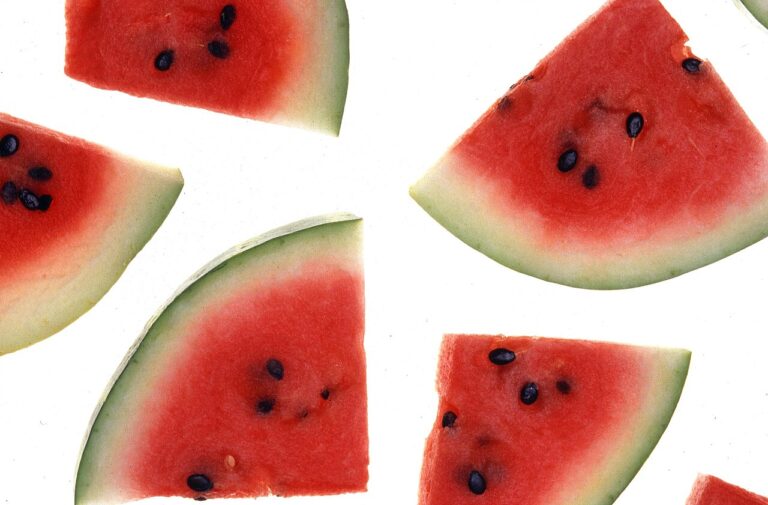
If your flock enjoys grapes, other small fruits work the same way. Blueberries, raspberries, strawberries and blackberries are favorites and are easy to portion; halve larger berries for bantams. Cherries are fine if you remove the pits. Melon, including watermelon, is a good lower sugar choice in summer. Keep all fruit within the same small treat allowance.
What to Do If a Chicken Eats Something Toxic
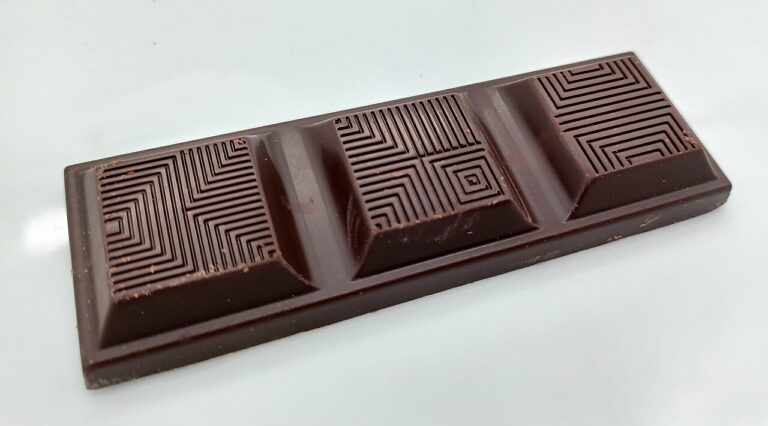
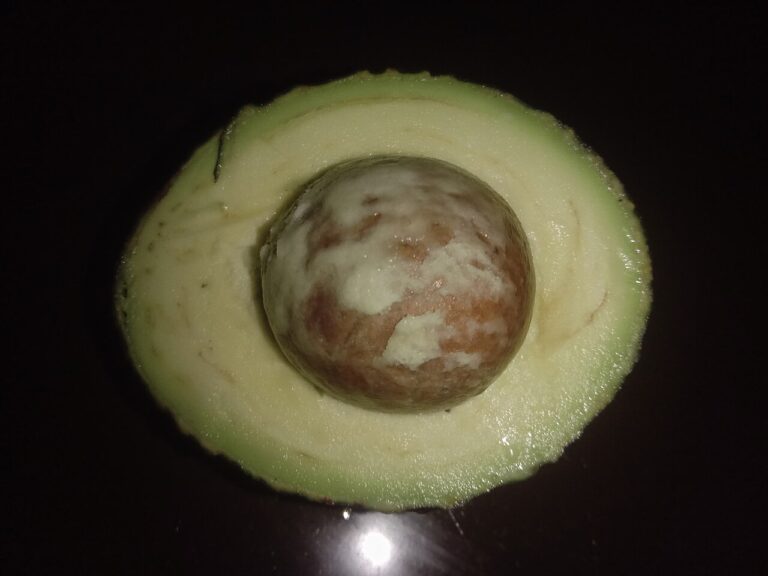
Grapes are not the worry here, but fruit scraps sometimes come mixed with things that are. If a chicken gets into avocado, chocolate, moldy food or a bowl of salty leftovers, remove the food and any remaining birds from it, note what was eaten and roughly how much, and move the affected bird to a quiet, comfortable spot with water. Watch for lethargy, labored breathing, swelling, diarrhea, tremors or loss of balance.
Call a veterinarian who treats poultry or an avian vet as soon as possible, especially for bantams and young birds, which are affected by smaller amounts. The ASPCA Animal Poison Control Center (888-426-4435) can also advise; a consultation fee may apply. Do not try home remedies to make a chicken vomit.
What to Avoid
Skip moldy, fermented or rotten grapes, whole grapes for bantams and chicks, and large servings that crowd out feed. Avoid grape products made for people, such as jelly, juice, grape soda, wine and raisin baked goods, which add sugar, salt or alcohol. Keep birds away from recently sprayed vines, and never let grapes or any other treat push the total above about 10 percent of the daily diet.
Frequently Asked Questions
Quick answers to common questions about feeding grapes to chickens.
Can Chickens Eat Green Grapes?
Yes, chickens can eat green grapes, and they are just as safe as red or black grapes. USDA FoodData Central groups red and green grapes together at about 15.5 grams of sugar per 100 grams, so the same limit applies: about 2 grapes for a large hen and 1 for a bantam.
Can Chickens Eat Whole Grapes?
Large hens can often swallow a whole grape, but cutting grapes is safer: halve them for large fowl and quarter them for bantams. A whole grape is round, slippery and close to the size of a small chicken’s throat, so it can lodge there, and chicks should get only finely chopped slivers.
Can Chickens Eat Grape Stems?
Grape stems are not a useful treat for chickens, so pull grapes off the stems before serving them. The woody stems offer little nutrition, and stems from backyard vines may carry fungicide or insecticide residues, so put them in the compost instead of the run.
Can Chickens Eat Wild Grapes?
Yes, chickens can eat ripe wild grapes, along with muscadine and Concord grapes, in the same small portions as table grapes. Be certain of the identification, though: Canada moonseed has poisonous, grape-like fruit clusters, and NC State Extension notes its fruit holds a single crescent-shaped seed instead of round grape seeds.
Sources (6)
These are the references used to check the facts on this page.
- USDA FoodData Central: Grapes, Red or Green (European Type, Such as Thompson Seedless), Raw
- USDA FoodData Central: Raisins, Dark, Seedless
- Merck Veterinary Manual: Food Hazards
- ASPCA: People Foods to Avoid Feeding Your Pets
- Purina Animal Nutrition: What to Feed Chickens: Chicken Treats to Feed and Avoid
- NC State Extension Gardener Plant Toolbox: Menispermum canadense (Common Moonseed)
 Can Chickens Eat Chocolate?
 Can Chickens Eat Avocado?
 Can Chickens Eat Watermelon?
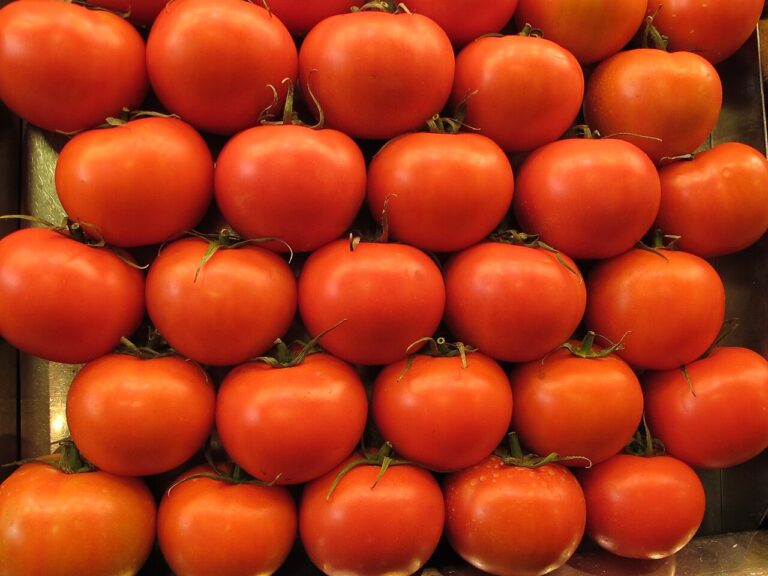 Can Chickens Eat Tomatoes?