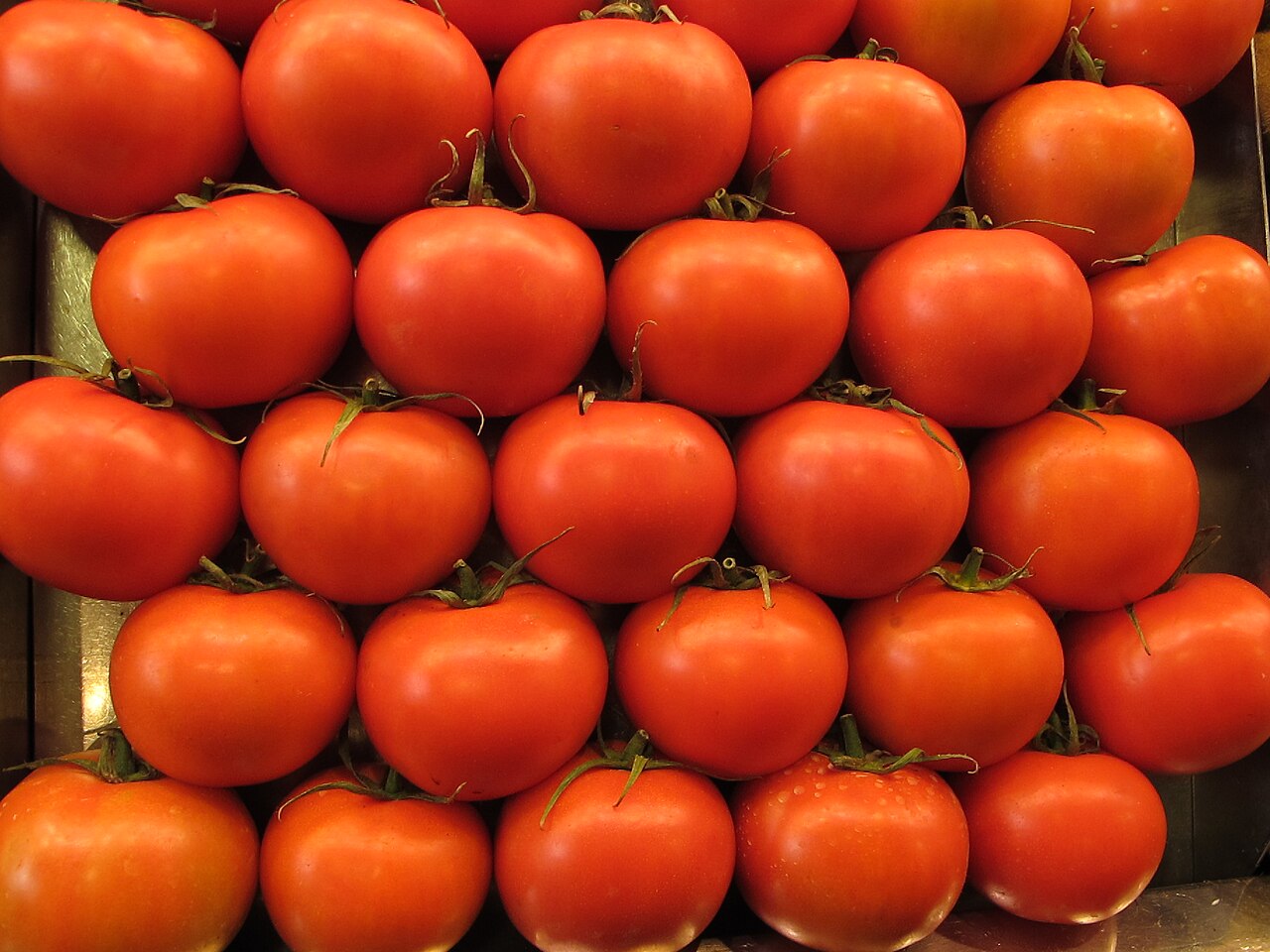
Chickens can eat ripe tomatoes, raw or cooked plain, as an occasional treat. Do not feed the leaves, stems, flowers or green, unripe fruit, which contain glycoalkaloids such as tomatine and solanine. Keep chickens out of the tomato patch while plants are growing.
Chickens can eat ripe tomatoes, and most birds go after them eagerly. The ripe fruit is safe in moderation, while the green parts of the tomato plant are not: North Carolina State Extension lists tomato leaves and stems as toxic because they contain the alkaloids tomatine and solanine, and lists the fruit as edible.
That split between fruit and plant is the whole story for tomatoes. Below we cover how much tomato to give, how to prepare it, which parts to avoid, how to manage tomato plants and chickens in the same yard, and what to do for chicks and bantams.
How Much Tomato Can Chickens Eat?
Tomato is a treat, so it belongs in the same small allowance as other extras: no more than about 10 percent of what a chicken eats in a day. Purina puts that at about 2 tablespoons of treats for a laying hen eating half a cup of feed. A cherry tomato weighs roughly 15 to 20 grams, so one cherry tomato, or a couple of tablespoons of chopped tomato, is a full day’s treat for a large hen.
Bantams need about half as much. Because tomatoes are about 94 percent water and low in sugar, they are gentler than most fruit, but a bellyful of tomato still leaves less room for feed.
| Bird | Ripe tomato per day | How to cut |
|---|---|---|
| Large fowl hen or rooster | About 1 cherry tomato or 2 tablespoons chopped | Halved or chopped |
| Bantam | About half a cherry tomato or 1 tablespoon chopped | Quartered or diced small |
| Chicks 2 to 4 weeks | A small spoonful of finely diced flesh, shared | Diced very fine |
If you have a glut of ripe tomatoes in late summer, resist dumping a whole bucket into the run. Spread the surplus over several days, or freeze some for later.
How to Prepare Tomatoes for Chickens
Choose fully ripe tomatoes and rinse them well. Remove the green cap, stem and any leaves still attached. Cut cherry tomatoes in half for large fowl and in quarters for bantams; slice or dice larger tomatoes into bite-size pieces. Round, slippery cherry tomatoes can be hard for small birds to swallow whole.
Cooked tomato is fine as long as it is plain. A spoonful of stewed or roasted tomato with nothing added is a reasonable treat. Tomato sauce, salsa, soup, ketchup and pizza leftovers are not, because they usually contain salt, sugar, oil, onion and garlic in amounts that do not suit a chicken’s diet.
Split, overripe tomatoes from the garden are fine if they are fresh, but discard any with mold, rot or a fermented smell. Spoiled produce can carry molds that are harmful to poultry.
Tomato Plants and Chickens: Leaves, Stems and Green Fruit
Tomatoes belong to the nightshade family, along with potatoes, eggplant and peppers. The green parts of these plants contain glycoalkaloids, natural compounds that help protect the plant from pests. In tomatoes the main one is tomatine, and solanine is also commonly named. North Carolina State Extension rates the tomato plant’s poison severity as medium, with the leaves and stems as the toxic parts. In large amounts these compounds can cause digestive upset and, in severe cases, nervous system effects.
The UC Davis School of Veterinary Medicine and University of California Cooperative Extension include tomato leaves and nightshade plants on their list of things to keep away from backyard flocks. Unripe green tomatoes contain more glycoalkaloids than ripe ones, and levels fall as the fruit ripens, which is why green fruit belongs on the avoid list too.
How Risky Is a Nibble?
Reported poisonings from tomato plants are rare; North Carolina State Extension notes that in Carolinas Poison Center records of human cases, the most tomato leaves eaten at one time was five or six, with no ill effects. That is not a reason to let chickens graze the vines. Bantams and young birds are small, and a hungry or bored bird in a bare run may eat more than you expect. The safest approach is simply to keep the green plant out of reach.
Keeping Chickens Out of the Tomato Patch
Chickens love ripe tomatoes and will happily peck holes in every one at beak height. Fence the vegetable garden, use cages or netting around tomato plants, or let birds in only after the season is over and the vines have been pulled and composted. Do not toss pruned suckers, leaves or vines into the run.
Seeds and Skins
Tomato seeds and skins are part of the ripe fruit and are safe. You do not need to peel or seed tomatoes for chickens.
Can Chicks Eat Tomatoes?
Chicks can have a tiny amount of finely diced ripe tomato once they are a couple of weeks old, but they do not need it. Starter feed has everything they require, and their crops are small. Offer a small spoonful for the whole brood, never green fruit or any part of the plant, and make chick-size grit available whenever chicks eat anything besides starter.
Tomato is watery, so a bit too much can loosen droppings. Keep portions small and keep an eye on vents for pasting.
Tomato Nutrition per 100 Grams
These figures from USDA FoodData Central are for raw, ripe red tomatoes. Tomatoes are low in calories and sugar and supply vitamin C, potassium and the red pigment lycopene, but they provide very little protein, so they add variety rather than real nutrition to a chicken’s diet.
| Nutrient (per 100 g) | Ripe red tomato |
|---|---|
| Water | 94.5 g |
| Energy | 18 kcal |
| Protein | 0.88 g |
| Fat | 0.20 g |
| Carbohydrate | 3.89 g |
| Fiber | 1.2 g |
| Total sugars | 2.63 g |
| Calcium | 10 mg |
| Potassium | 237 mg |
| Vitamin C | 13.7 mg |
| Vitamin A (RAE) | 42 µg |
| Lycopene | 2,570 µg |
With only 2.63 grams of sugar per 100 grams, tomatoes contain far less sugar than grapes or bananas, which makes them one of the better fruit-type treats when they are ripe.
Which Parts Are Safe at a Glance
Use this table when you are clearing the garden or sorting kitchen scraps.
| Part of the tomato plant | Safe for chickens? | Why |
|---|---|---|
| Ripe red, yellow or orange fruit | Yes, in moderation | Low in glycoalkaloids once ripe |
| Cooked plain tomato | Yes, in moderation | Fine without salt, oil, onion or garlic |
| Tomato seeds and skins | Yes | Eaten with the ripe fruit |
| Green, unripe fruit | No | Higher in tomatine and related glycoalkaloids |
| Leaves | No | Contain tomatine and solanine |
| Stems and vines | No | Contain tomatine and solanine |
| Flowers and green calyx (the cap) | No | Part of the green plant |
Storing Tomato Scraps
Store ripe tomato scraps in a covered container in the refrigerator and use them within a day or two, or freeze chopped tomato in ice cube trays for summer treats. Throw out anything with mold, slime or a sour smell. Collect uneaten tomato from the run at the end of the day, since soft fruit attracts flies and rodents.
Related Nightshades
The same caution applies to the tomato’s relatives. Green potato skins and potato sprouts are a well-known source of solanine and should be kept away from chickens, and potato leaves and vines belong on the same list. Eggplant and pepper plants, including their leaves and stems, should stay out of the run as well. Ripe sweet peppers are commonly offered as treats, but UC Davis and University of California Cooperative Extension list peppers among the plants to keep away from flocks, so if you are unsure, leave them out.
What to Do If a Chicken Eats Something Toxic
If a bird has eaten a significant amount of tomato vine, green tomatoes, potato peels or another risky food, remove the source, note roughly what and how much was eaten, and move the bird to a quiet, comfortable place with water. Watch for lethargy, drooling, diarrhea, weakness, unsteadiness or trouble breathing.
Call a veterinarian who treats poultry promptly, particularly for bantams and young birds. The ASPCA Animal Poison Control Center (888-426-4435) can also help; a consultation fee may apply. Do not give home remedies to induce vomiting.
What to Avoid
Avoid tomato leaves, stems, flowers, caps and vines, green or unripe tomatoes, and any moldy or rotting fruit. Skip prepared tomato foods with salt, sugar, onion or garlic, and do not let tomatoes push treats above about 10 percent of the daily diet. Keep growing plants fenced off from free-ranging birds.
Frequently Asked Questions
Quick answers to common questions about feeding tomatoes to chickens.
Can Chickens Eat Grape Tomatoes?
Yes, chickens can eat ripe grape tomatoes, which are just as safe as ripe cherry or full-size tomatoes. Halve them for large fowl and quarter them for bantams so they are easy to swallow, and keep the total to about 2 tablespoons of tomato per large hen a day.
Can Chickens Eat Tomato Hornworms?
Yes, chickens can eat tomato hornworms, and the Maine Organic Farmers and Gardeners Association suggests giving handpicked hornworms to chickens. Leave any hornworm covered in small white cocoons in the garden, because those are braconid wasps, beneficial parasites that help control future hornworms.
Are Tomatoes Good for Chickens?
Ripe tomatoes are a good low sugar treat for chickens, with only 2.63 grams of sugar and 18 kcal per 100 grams, plus vitamin C, potassium and lycopene. Tomatoes supply very little protein, though, so they add variety rather than real nutrition and should stay within the 10 percent treat allowance.
Sources (5)
These are the references used to check the facts on this page.
- NC State Extension Gardener Plant Toolbox: Solanum lycopersicum (Tomato)
- USDA FoodData Central: Tomatoes, Red, Ripe, Raw, Year Round Average
- UC Davis School of Veterinary Medicine and UC Cooperative Extension: Feeding Your Flock
- Purina Animal Nutrition: What to Feed Chickens: Chicken Treats to Feed and Avoid
- Maine Organic Farmers and Gardeners Association (MOFGA): Hornworms
 Can Chickens Eat Chocolate?
 Can Chickens Eat Avocado?
 Can Chickens Eat Watermelon?
 Can Chickens Eat Bananas?