
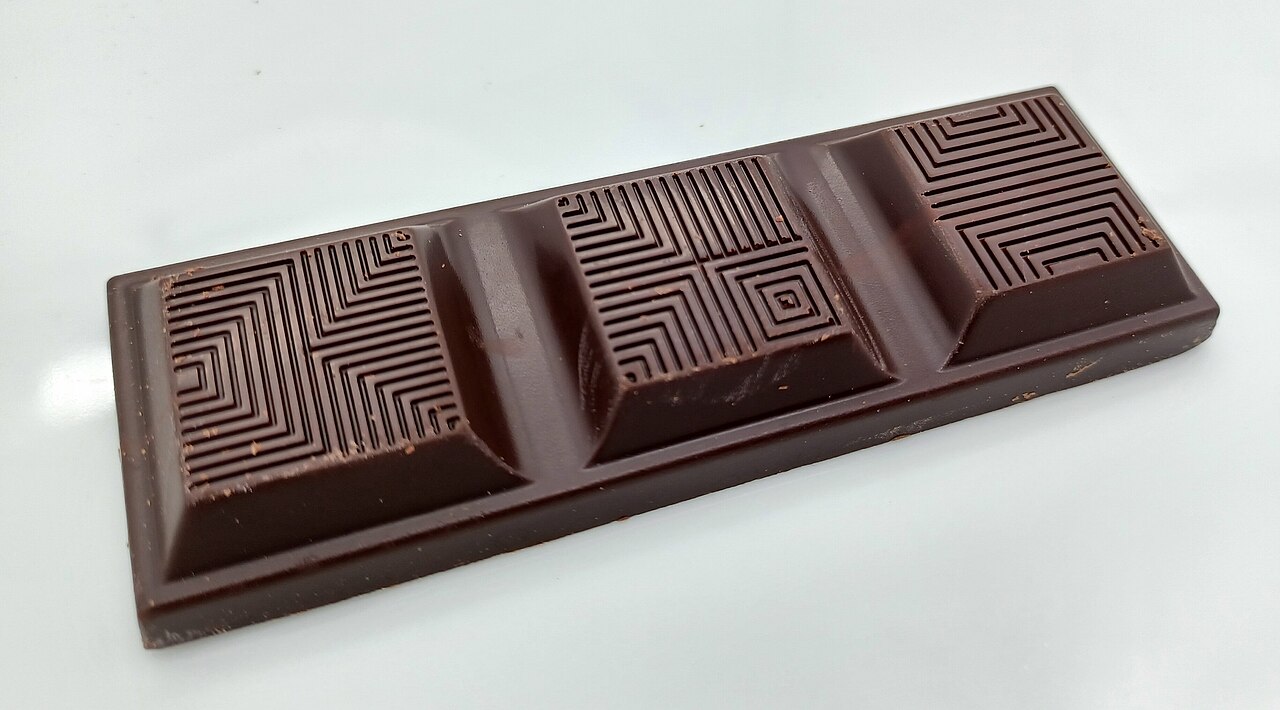
No, chickens should not eat chocolate. Chocolate contains theobromine and caffeine, stimulants that veterinary references link to vomiting, tremors, seizures, heart rhythm problems and death in many species. Dark chocolate and cocoa powder are the most dangerous, and small birds such as bantams and chicks are at the greatest risk.
Chickens should never be fed chocolate. The Merck Veterinary Manual identifies theobromine and caffeine, a group of compounds called methylxanthines, as the toxic principles in chocolate and notes that many species are susceptible. USDA FoodData Central lists 802 milligrams of theobromine and 80 milligrams of caffeine in 100 grams of 70 to 85 percent dark chocolate.
Below we explain why chocolate is toxic, which kinds are the most dangerous, how little it takes for a small bird, related hazards such as coffee grounds and cocoa mulch, and what to do if a chicken eats chocolate.
How Much Chocolate Can Chickens Eat?
None. Most treats are fine within the usual guideline of no more than about 10 percent of the daily diet, but chocolate does not belong in that allowance at all. There is no established safe dose of theobromine for chickens, and studies of chocolate poisoning focus mostly on dogs, which are the species that get into chocolate most often. Without a known safe amount, the only sound advice is to keep chocolate away from your flock entirely.
The risk depends on three things: the type of chocolate, the amount eaten and the size of the bird. A crumb of milk chocolate cake is unlikely to do as much harm to a large hen as a square of baking chocolate would to a bantam, but neither is worth the gamble.
How Little It Takes for a Small Bird
To give a sense of scale, the Merck Veterinary Manual reports that mild signs of chocolate poisoning appear in dogs at about 20 milligrams of methylxanthines per kilogram of body weight. Chickens may differ, so this is not a safe threshold, but applying that figure to typical bird weights shows how small the amounts are.
| Bird (typical weight) | Milk chocolate | Dark chocolate (70 to 85%) | Cocoa powder |
|---|---|---|---|
| Bantam hen (about 1.5 lb) | About 6 g | About 1.5 g | About 0.5 g |
| Large fowl hen (about 6 lb) | About 24 g | About 6 g | About 2 g |
In other words, a bite or two of dark chocolate could reach that level for a bantam. That is why bantams and chicks, with their small bodies, are the most vulnerable members of a flock.
Why Chocolate Is Toxic
Theobromine and caffeine stimulate the nervous system and the heart. In animals that are poisoned, the Merck Veterinary Manual describes early signs such as increased thirst, vomiting, diarrhea and restlessness, which can progress to hyperactivity, rigid muscles, tremors and seizures, along with a racing or irregular heartbeat, rapid breathing and high body temperature. Signs usually begin within 6 to 12 hours, and severe cases can last up to 72 hours. Death typically results from heart rhythm problems, overheating or respiratory failure.
Chickens do not vomit the way dogs can, so once a toxin is swallowed it generally stays in the digestive tract. Chocolate also brings a lot of fat and sugar, which are unhealthy for chickens even before the stimulants are considered.
Which Types of Chocolate Are Most Dangerous?
The darker the chocolate, the more theobromine it contains. The ASPCA notes that the higher the cacao percentage, the greater the risk, and that baking chocolate and cocoa powder have the highest concentrations. According to the Merck Veterinary Manual, cocoa powder contains about 28.5 milligrams of methylxanthines per gram, unsweetened baking chocolate about 15.5, semisweet and dark chocolate about 5.3 to 5.6 and milk chocolate about 2.3. White chocolate contains only about 0.04 milligrams per gram, a negligible amount, but it is still almost entirely fat and sugar and has no place in a chicken’s diet.
Can Chicks Eat Chocolate?
No. Chicks should never have chocolate, cocoa or any chocolate baked goods. A chick weighs only a few ounces, so even a crumb is a large dose for its body size, and young birds have little reserve to cope with a racing heart or seizures. Starter feed covers all of a chick’s needs, so keep treats out of the brooder altogether, and especially anything made with chocolate.
Chocolate Nutrition per 100 Grams
The table below uses USDA FoodData Central figures for dark chocolate (70 to 85 percent cacao solids), milk chocolate candy and unsweetened cocoa powder. Notice how much theobromine rises with the cacao content, and how high every type is in fat or sugar.
| Per 100 g | Dark chocolate (70 to 85% cacao) | Milk chocolate | Unsweetened cocoa powder |
|---|---|---|---|
| Energy | 598 kcal | 535 kcal | 228 kcal |
| Fat | 42.6 g | 29.7 g | 13.7 g |
| Total sugars | 24.0 g | 51.5 g | 1.75 g |
| Theobromine | 802 mg | 205 mg | 2,060 mg |
| Caffeine | 80 mg | 20 mg | 230 mg |
Cocoa powder carries roughly ten times the theobromine of milk chocolate by weight, which is why a spilled canister of baking cocoa or a tray of brownies is a bigger emergency than a single milk chocolate candy.
Related Hazards: Coffee, Tea and Cocoa Mulch
Chocolate is not the only source of methylxanthines around the house and garden. The ASPCA groups chocolate, coffee and caffeine together because they share the same toxic compounds. Do not add used coffee grounds, tea leaves, tea bags or energy drinks to the scrap bucket, and do not spread coffee grounds in the run.
Cocoa bean hull mulch is another risk that is easy to overlook. Merck reports deaths in animals that ate cocoa bean hull mulch, which can contain about 9 milligrams of methylxanthines per gram. Chickens scratch and peck through mulch all day, so do not use cocoa mulch anywhere your birds free range. The UC Davis School of Veterinary Medicine and University of California Cooperative Extension list chocolate among the foods to keep away from backyard flocks.
Hidden Chocolate in Scraps
Chocolate often turns up in leftovers: cookies, cake, muffins, granola bars, cereal, trail mix, ice cream and holiday candy. Sort table scraps before they go out, and keep anything sweet or baked out of the chicken bucket. Many of these foods also contain raisins, nuts, salt or butter, which are not good for chickens either.
What to Do If a Chicken Eats Chocolate
Remove any remaining chocolate and keep other birds away. Try to work out what kind of chocolate it was, roughly how much was eaten and when; the wrapper or recipe helps. Move the bird to a quiet, cool, dimly lit spot with fresh water to reduce stress and stimulation.
Call a veterinarian who treats poultry or an avian vet right away, and do not wait for signs to appear, since they can take hours to develop. This is especially important for bantams, chicks and any case involving dark chocolate, baking chocolate or cocoa. Watch for restlessness, rapid breathing, trembling, unsteadiness, diarrhea or seizures. The ASPCA Animal Poison Control Center (888-426-4435) can also advise; a consultation fee may apply. Do not try to treat chocolate poisoning at home.
Safer Treats to Offer Instead
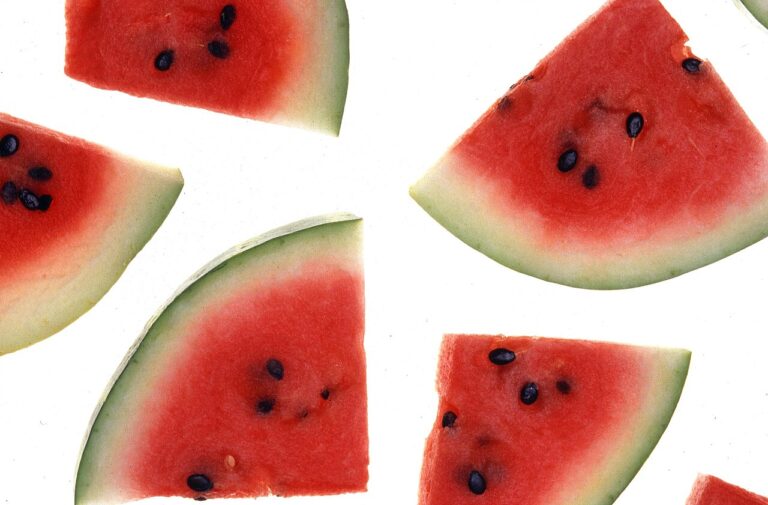
If you want to share a sweet treat, choose fruit that is safe for chickens, such as a few berries, a piece of watermelon or a slice of banana. Leafy greens, cooked squash and a little scrambled egg are even better choices. Keep all treats within about 10 percent of the daily diet so layer feed stays the main meal.
What to Avoid
Avoid all chocolate and cocoa products, including dark, milk and white chocolate, baking chocolate, cocoa powder, hot cocoa mix, chocolate syrup and chocolate baked goods. Keep coffee grounds, tea and caffeinated drinks out of the scrap bucket, never use cocoa bean hull mulch where chickens roam, and store holiday candy where free-ranging birds cannot reach it.
Frequently Asked Questions
Quick answers to common questions about chickens and chocolate.
Can Chickens Eat Chocolate Cake?
No, chickens should not eat chocolate cake. Chocolate cake is usually made with cocoa powder, which the Merck Veterinary Manual lists at about 28.5 milligrams of methylxanthines per gram, the highest of any chocolate product, plus sugar, butter and frosting. Keep all chocolate baked goods out of the scrap bucket.
Can Chickens Eat Chocolate Chip Cookies?
No, chocolate chip cookies are not safe for chickens. The chips are usually semisweet chocolate, which the Merck Veterinary Manual lists at about 5.3 to 5.6 milligrams of methylxanthines per gram, and cookies add sugar, butter and salt. Even a few chips are a meaningful dose for a bantam or chick.
Can Chocolate Kill a Chicken?
Yes, chocolate can kill a chicken. The Merck Veterinary Manual describes deaths from heart rhythm problems, overheating or respiratory failure in poisoned animals, and dark chocolate, baking chocolate and cocoa carry the most risk. Bantams and chicks are affected by the smallest amounts, so call a poultry vet right away after any exposure.
Sources (5)
These are the references used to check the facts on this page.
 Can Chickens Eat Avocado?
 Can Chickens Eat Watermelon?
 Can Chickens Eat Tomatoes?
 Can Chickens Eat Bananas?