
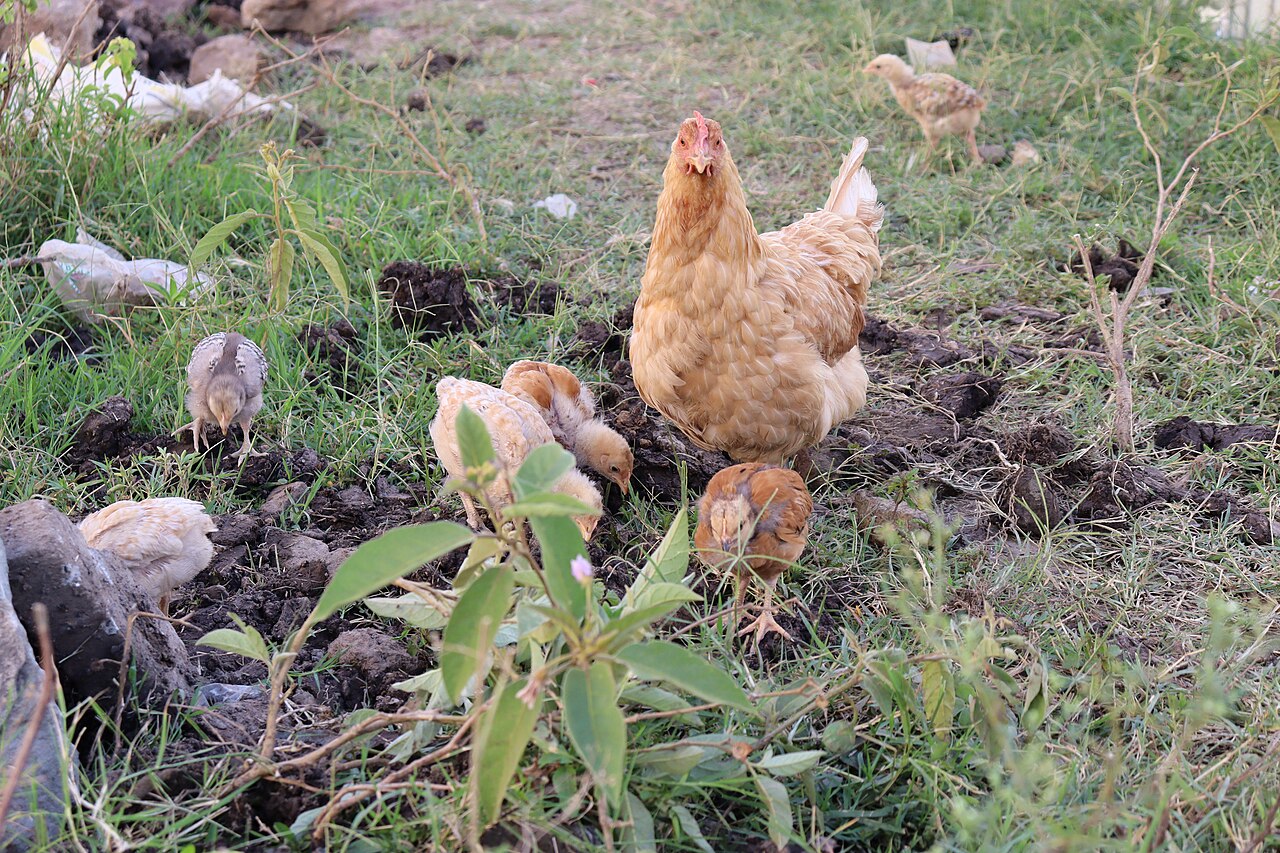
The right chicken breed for you is the one that matches your egg color wish, your yard size, your climate and the kind of birds you want to live with. The Breed Finder below narrows the breed profiles on BantamChickens.com to the ones that fit all four of those choices at once.
Pick an option in each filter and the results update instantly, with no button to press. Leave a filter on its broadest setting if you do not care about it. The list grows as we publish new breed profiles, so it is worth checking back if your ideal combination comes up short today.
How to Use the Breed Finder
There are four filters: egg color, bird size, climate and temperament. Each one starts on an open setting (Any color, Either, Any and Any), which shows every breed profile. As you change a filter, breeds that do not match drop out of the list. Every breed that remains matches all of the choices you have made.
Start with the filter you care about most. If you are set on blue eggs, choose that first and then see how the other filters affect the shortlist. If you end up with no matches, loosen the filter that matters least to you. Combinations like a quiet, heat-hardy bantam that lays dark brown eggs are rare in any breed list.
| Filter | Options | What It Matches |
|---|---|---|
| Egg color | Any color, Brown, Dark brown, White, Blue, Green or olive | The egg color listed on each breed profile (White also matches cream and tinted) |
| Bird size | Either, Standard, Bantam | Whether the breed comes in standard size, bantam size or both |
| Climate | Any, Cold winters, Hot summers, Mild year round | Cold winters shows breeds with high cold hardiness; Hot summers shows breeds with high heat hardiness |
| Temperament | Any, Friendly with kids, Quiet, Good forager, Good for beginners | Docile or friendly breeds, quiet breeds, active breeds, or breeds rated good for beginners |
Egg Color
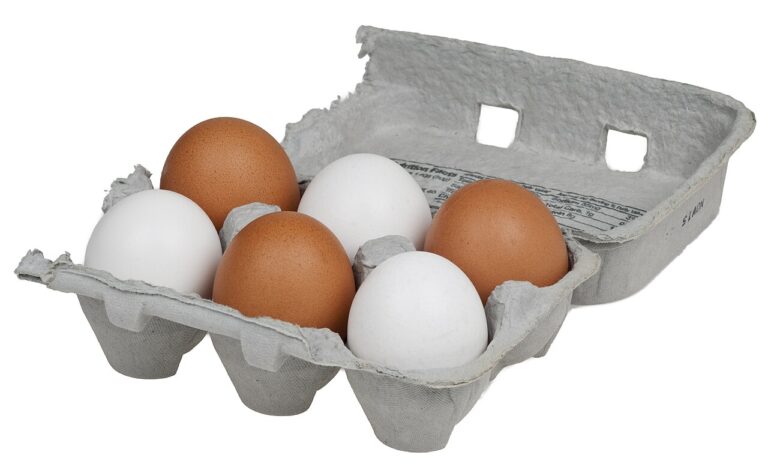
Egg color is set by breed, so it is one of the easiest traits to choose for. The options are Brown, Dark brown, White, Blue, and Green or olive. Choosing White also returns breeds that lay cream or tinted eggs, since those pale shades are hard to tell from white in a carton.
Color has no effect on nutrition or flavor. What it often does signal is the breed type behind it. Many of the most productive white egg layers are lean Mediterranean breeds like the Leghorn, which tend to be active and flighty. Many brown egg breeds are heavier dual purpose birds that are calmer and hardier in cold weather. Dark brown egg breeds such as Marans and Welsummers are prized for looks, while blue eggs come from breeds like the Ameraucana and Araucana.
Trade-offs to Expect
The darkest egg colors and the most unusual shades usually come with fewer eggs than a production hybrid lays. If a full egg basket matters more than a colorful one, leave egg color on Any color and use the temperament filter instead.
Bird Size
Choose Standard for full-size birds, Bantam for miniature birds, or Either to see both. Many breeds exist in both sizes, so a breed can appear under Standard and under Bantam. True bantams, which have no large version, only appear under Bantam.
Bantams are often described as about one quarter the size of large fowl. They eat less and need less space, which makes them a natural fit for small yards and smaller coops. The trade-off is egg size and often egg numbers: bantam eggs are small, and many bantam breeds lay fewer of them. Standard breeds give you bigger eggs and usually more of them, but they need more room and more feed.
Climate
Choose Cold winters to see breeds with high cold hardiness and Hot summers to see breeds with high heat hardiness. Choose Mild year round if your area rarely sees hard freezes or long heat waves, or Any to ignore climate entirely.
Cold-hardy breeds tend to be heavier birds with small combs and dense feathering, since large single combs are prone to frostbite. Heat-tolerant breeds are often lighter bodied with larger combs and tighter feathering, which helps them shed heat. If you face both harsh winters and hot summers, try each setting in turn and look for breeds that appear in both lists. Otherwise, pick the extreme that is hardest on birds where you live and plan housing for the other one with shade, ventilation or wind protection.
Temperament
Temperament has the biggest effect on what keeping chickens actually feels like day to day. The filter offers four choices beyond Any.
Friendly With Kids
This setting shows breeds rated docile or friendly. These are the birds most likely to tolerate handling and settle down when picked up, which matters if children will help with chores. Individual birds still vary, and roosters of any breed can be pushy.
Quiet
This shows breeds rated quiet. No hen is silent, since most announce a fresh egg, but some breeds are noticeably less vocal. If you have close neighbors or local rules about noise, this is a useful filter. Hens are much quieter than roosters, and many towns do not allow roosters at all.
Good Forager
This shows active breeds. Active birds range widely, find more of their own food and are good at avoiding predators. The trade-off is that many active breeds are less fond of being handled and are less happy in a small, fully enclosed run.
Good for Beginners
This shows breeds rated good for beginners, which generally means hardy, adaptable, easy to handle and forgiving of small mistakes. If this is your first flock, it is a sensible filter to combine with your climate choice.
How to Read the Results
Each result is one of our breed profiles. Open it to see the breed’s quick facts, including typical eggs per year, egg size, weights for standard and bantam versions, broodiness, noise level and how well it handles confinement. Egg and weight figures are typical ranges, since individual birds vary with age, diet, season and strain.
Breed ratings describe tendencies, not guarantees. A docile breed can still produce a nervous bird, and an active breed raised with daily handling can become quite tame. Hatchery strains of a breed can also differ from show strains in size, type and laying. Use the finder to build a shortlist, then read each profile before you order chicks.
Building a Mixed Flock
You do not have to pick only one breed. Many keepers choose two or three breeds for a mix of egg colors and personalities. If you do, run the finder once for each goal and look for breeds that are similar in size and temperament. Very gentle breeds, especially feather-footed and crested ones, can be bullied by more assertive flockmates, and mixing large fowl with tiny bantams works best with plenty of space. Our coop size calculator can help you size a coop for a mixed flock of standard birds and bantams.
Frequently Asked Questions
Quick answers to common questions about choosing a chicken breed.
What Chicken Breed Lays the Most Eggs?
The Golden Comet, a red sex-link hybrid, is one of the highest laying chickens, with Cackle Hatchery listing 250 to 320 brown eggs a year. Among purebreds, the White Leghorn and Australorp are top layers, and production slows in all of them after the first couple of years.
What Is the Smallest Chicken Breed?
The Serama is the smallest recognized chicken breed, according to My Pet Chicken. It is a true bantam with no large version, kept mainly as a pet and show bird, and hens lay small cream or tinted eggs.
What Is the Biggest Chicken Breed?
The Jersey Giant is one of the biggest chicken breeds, with The Livestock Conservancy listing hens at 10 to 11 pounds and roosters at 13 to 15 pounds. Jersey Giants are typically mellow birds but eat more feed and need more coop space than average backyard breeds.
Which Chicken Breeds Are Best for Cold Winters?
Heavy breeds with small combs and dense feathering are best for cold winters, and Brahmas and Wyandottes stand out. Mississippi State University Extension calls the Brahma very cold hardy and the Wyandotte quite cold hardy, though both handle heat poorly.
Sources (8)
These are the references used to check the facts on this page.
- The Livestock Conservancy: Heritage Chicken Breed Comparison Chart
- Michigan State University Extension: Chicken Breed Chart to Help Choose Your Chicken
- University of Maryland Extension: Chickens
- Cackle Hatchery: Chicken Breeds List
- Cackle Hatchery: Golden Comet
- My Pet Chicken: Serama
- The Livestock Conservancy: Jersey Giant Chicken
- Mississippi State University Extension: Choosing the Right Breed for Your Backyard Flock
 Chicken Feed Calculator
 Egg Production Calculator
 Chicken Coop Size Calculator