
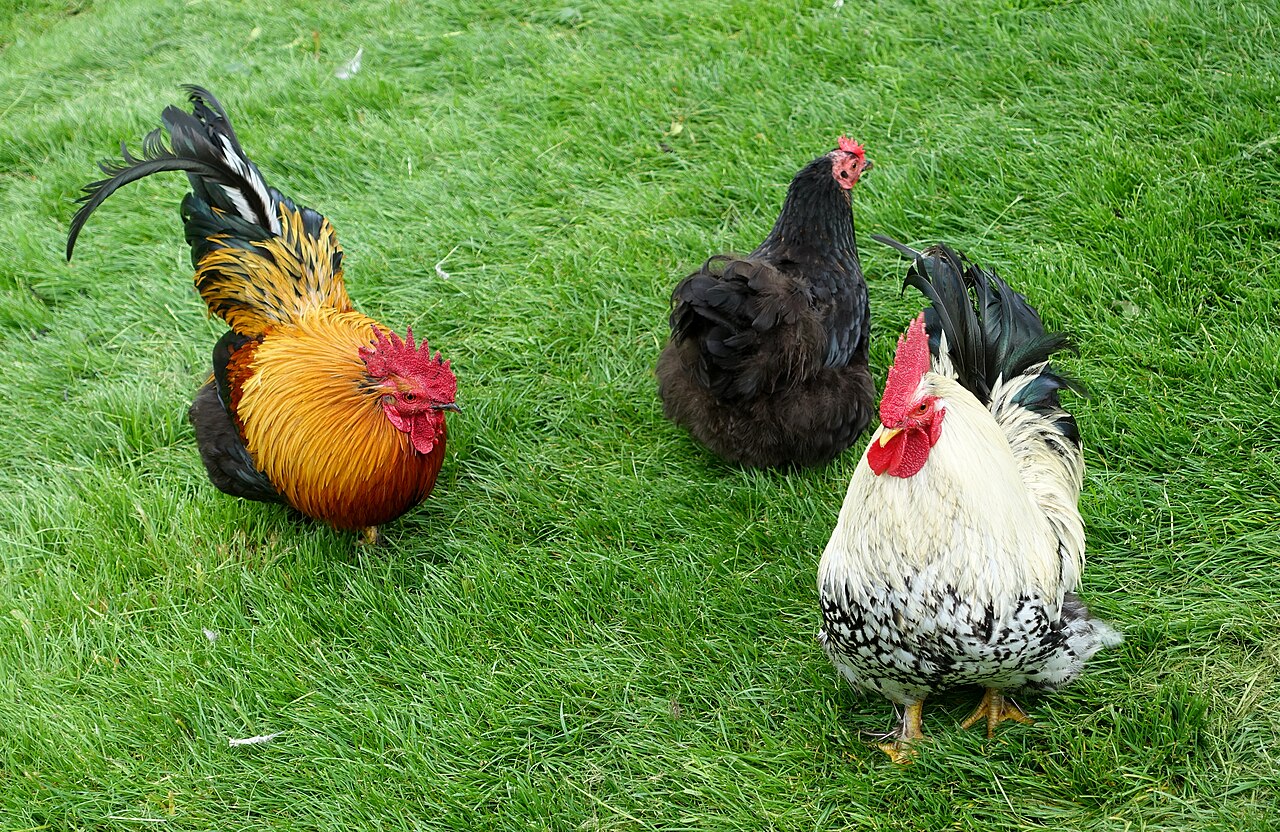
The best chicken breeds for beginners are calm, hardy and dependable layers, and the Australorp, Buff Orpington, Barred Plymouth Rock, Rhode Island Red, Easter Egger and Wyandotte top most lists. These breeds tolerate beginner mistakes, handle a wide range of climates and typically lay 180 to 300 eggs a year, depending on the breed.
The ten picks below balance temperament, egg production and hardiness, and two of them work especially well in small yards. Egg figures are typical hatchery ranges, and individual hens vary with age, diet, daylight and care.
Best Chicken Breeds for Beginners at a Glance
Every breed here is widely sold as day-old chicks in the US, and all but one come in a bantam size as well.
| Breed | Eggs per Year (Typical) | Egg Color | Temperament | Bantam Version |
|---|---|---|---|---|
| Australorp | 250 to 280 | Brown | Docile | Yes |
| Buff Orpington | 150 to 250 | Brown | Docile | Yes |
| Barred Plymouth Rock | 200 to 280 | Brown | Docile | Yes |
| Rhode Island Red | 200 to 300 | Brown | Active, fairly docile | Yes |
| Easter Egger | 200 to 250 | Blue, green or pinkish | Friendly | Yes |
| Wyandotte | 180 to 260 | Brown | Calm | Yes |
| Speckled Sussex | 180 to 240 | Light brown | Friendly, curious | Yes |
| Golden Comet | 250 to 320 | Brown | Docile | No (hybrid) |
| Brahma | 150 to 200 | Brown | Docile | Yes |
| Silkie | 90 to 120 | Cream or tinted | Docile | Bantam breed |
The 10 Best Chickens for Beginners
Each pick below includes what makes it easy to keep and the one or two quirks worth knowing before you order.
Australorp
The Black Australorp is hard to beat as a first chicken. Murray McMurray Hatchery describes the breed as quiet and gentle, says it stands confinement well and rates it an excellent cold-climate bird. Hens typically lay 250 to 280 large brown eggs a year.
The breed was developed in Australia from Orpington stock, and an Australorp hen holds a famous record of 364 eggs in 365 days under official trapnest testing. Expect a glossy black bird with a green sheen in sunlight.
Buff Orpington
Buff Orpingtons are large, fluffy, golden birds with a reputation for calm, easy handling. Michigan State University Extension’s breed chart notes they adapt well to both free range and confinement and are cold hardy. Expect about 150 to 250 brown eggs a year.
Their gentle nature has a flip side. Orpingtons can be bullied by pushier breeds and go broody often, which is great if you want chicks and less so if you only want eggs. Mississippi State University Extension also notes they are poor foragers, so plan to feed them well.
Barred Plymouth Rock
The Barred Plymouth Rock, with its black-and-white striped feathers, is one of America’s classic backyard birds. It is calm, docile and easy to handle, and it handles cold weather well. Typical production is 200 to 280 brown eggs a year.
Plymouth Rocks are dual-purpose birds: large enough for the table and steady layers. They are a good choice if you want a bird that does a bit of everything without drama.
Rhode Island Red
Rhode Island Reds are tough, adaptable and productive. Mississippi State University Extension describes them as hardy, friendly and good foragers, and hens lay roughly 200 to 300 brown eggs a year.
Reds can be bossy in a mixed flock, and roosters can be aggressive. If you plan to add gentle bantams later, pair Reds with sturdy breeds or watch the pecking order closely.
Easter Egger
Easter Eggers lay blue, green and sometimes pinkish eggs, which makes egg collecting fun for kids. Cackle Hatchery notes they are not an APA-recognized breed but a colorful backyard type, and many have beards, muffs and pea combs.
Expect 200 to 250 eggs a year. Each hen usually lays one shade, so you get a rainbow carton by keeping several. Their small pea combs help them shrug off cold, and most are friendly and curious.
Wyandotte
Wyandottes are round, heavily feathered birds with a low rose comb that resists frostbite better than a tall single comb. Silver Laced is the most familiar color. They are calm and adapt well, and typical production is 180 to 260 brown eggs a year.
Wyandottes do well in cold climates but less well in heat. Hens tend to be independent rather than lap birds, but they are rarely troublemakers.
Speckled Sussex
The Speckled Sussex has mahogany feathers tipped with white spots that multiply with each molt. Michigan State’s chart describes Sussex as calm, gentle, active, curious and easy to handle. Hatcheries list 180 to 240 light brown eggs a year.
They are a smart choice if you let your birds free range, since their curiosity keeps them busy, and they are friendly enough to follow you around the yard.
Golden Comet
Golden Comets are red sex-link hybrids, which means chicks can be sexed by down color at hatch, so you are far less likely to end up with a surprise rooster. Cackle Hatchery lists 250 to 320 large brown eggs a year, making them one of the most productive birds a beginner can buy.
Like other production layers, their output typically declines after the first two or three years. They are generally docile and friendly, though they are bred for eggs rather than for looks.
Brahma
Brahmas are gentle giants with feathered feet and a small pea comb. Mississippi State University Extension calls them calm, slow moving and very hardy in cold, though not ideal for warm climates. Expect about 150 to 200 brown eggs a year.
Their size means they need more feed and space, and they take longer to mature. In exchange you get one of the calmest birds you can own. Bantam Brahmas offer the same personality at a fraction of the size.
Silkie
Silkies are the bantam pick for beginners. They are small, fluffy, docile and easy for children to hold, and they need far less space than standard breeds. Expect 90 to 120 small cream or tinted eggs a year.
Silkies go broody often, which is a plus if you want to hatch chicks. Their fluffy feathers are not waterproof, so give them a dry, covered run, and keep them with other gentle breeds.
How to Choose a Beginner Breed
Work through three questions in this order, and the right breeds for you will narrow down quickly.
- Start with your goal. If you want the most eggs, pick Australorps, Rhode Island Reds or Golden Comets. If you want calm pets for children, Orpingtons, Brahmas and Silkies fit better. Mississippi State University Extension recommends deciding your purpose first, then matching breeds to temperament and climate.
- Match your climate. Most American breeds handle cold well, while Mediterranean breeds such as Leghorns suit hot climates. Birds with small combs are less prone to frostbite in cold regions, while birds with large single combs generally do better in heat.
- Check your space. If your yard is small, bantam versions of these breeds give you similar personalities in about half the coop space.
A short checklist helps before you place an order:
- Confirm city and homeowners association rules on hens and roosters.
- Decide whether eggs, pets or both matter most.
- Pick breeds suited to both your winters and your summers.
- Order pullets (sexed females) unless you want roosters.
- Plan daily care, including weekends and vacations.
Mixing two or three of these breeds is a good way to learn what you like. You will get a steady supply of eggs, a range of personalities and, with an Easter Egger in the mix, a more colorful carton.
Frequently Asked Questions
Quick answers to common questions about beginner chicken breeds.
How Many Chickens Should a Beginner Start with?
A beginner should start with at least three hens, since chickens are flock animals and a pair leaves one bird alone if the other dies. Three or four productive hens of a beginner breed such as the Australorp supply roughly a dozen eggs a week.
Should Beginners Start with Chicks or Pullets?
Most beginners start with day-old chicks, because ready-to-lay pullets are hard to find, according to University of Kentucky Extension. Ordering sexed pullet chicks of a calm breed such as the Buff Orpington or Barred Plymouth Rock avoids surprise roosters.
How Old Are Chickens When They Start Laying Eggs?
Most hens start laying at about 18 to 22 weeks old, depending on breed, so chicks bought in spring usually lay by late summer or fall. Production hybrids such as Golden Comets tend to start early, while heavy breeds such as Brahmas take longer.
How Long Do Backyard Chickens Live?
Backyard hens typically live about 6 to 8 years, and most flocks keep laying for 3 to 4 of those years. Egg numbers drop each year after the first two laying seasons, so plan for retired hens when you choose how many birds to keep.
Sources (8)
Facts on this page were checked against these references.
- Mississippi State University Extension: Choosing the Right Breed for Your Backyard Flock (P3036)
- Michigan State University Extension: Chicken Breed Chart to Help Choose Your Chicken
- Murray McMurray Hatchery: Black Australorps
- Cackle Hatchery: Easter Egger Chicken
- Cackle Hatchery: Chicken Breeds
- My Pet Chicken: Can I Keep Just One Chicken?
- University of Kentucky Cooperative Extension: So You Want to Produce Your Own Eggs? (ASC-217)
- University of Wisconsin Division of Extension: Life Cycle of a Laying Hen
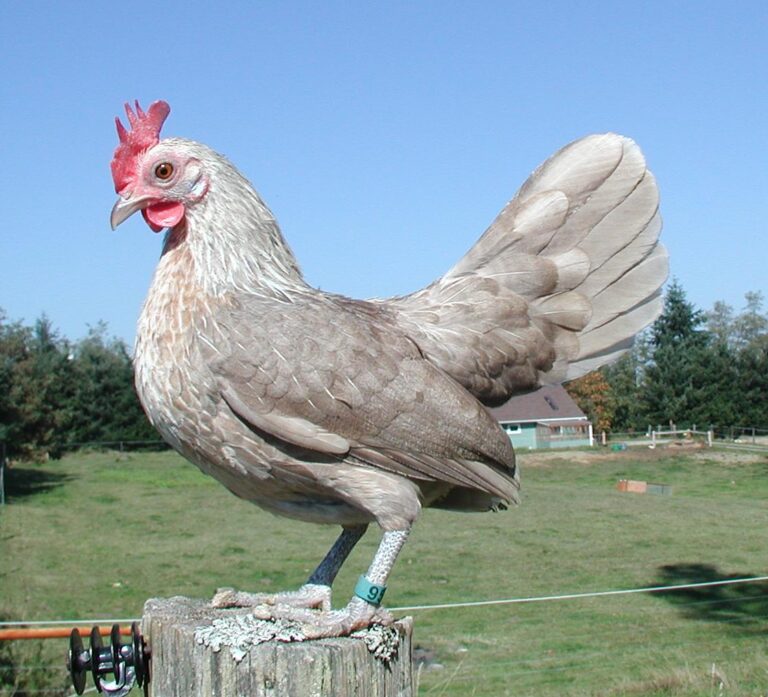 Bantam vs Standard Chickens
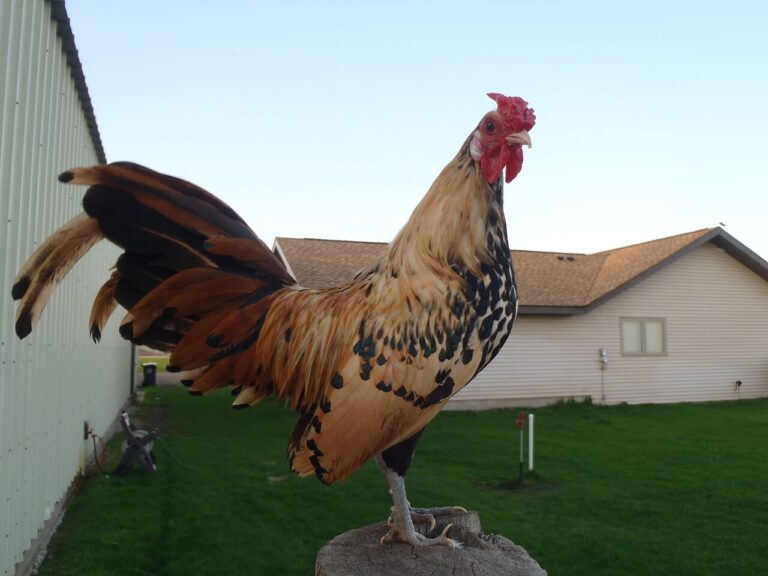 Bantam Chickens
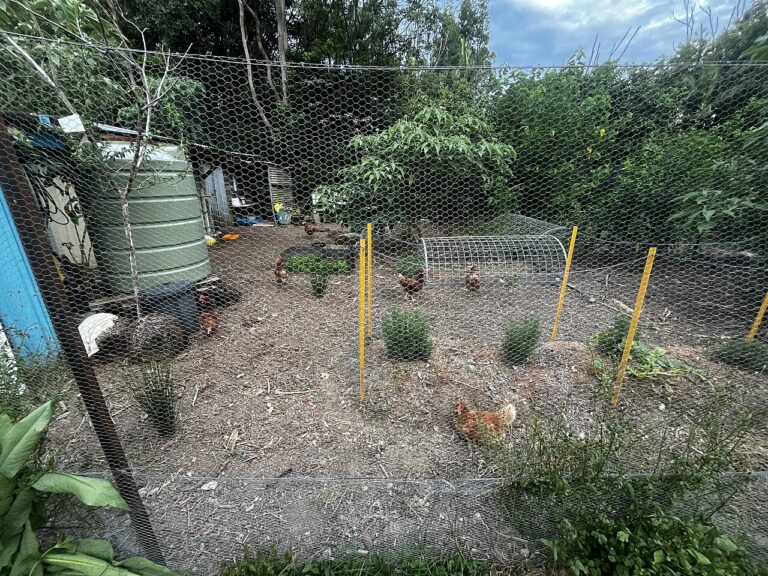 Can You Keep Chickens in City Limits?