
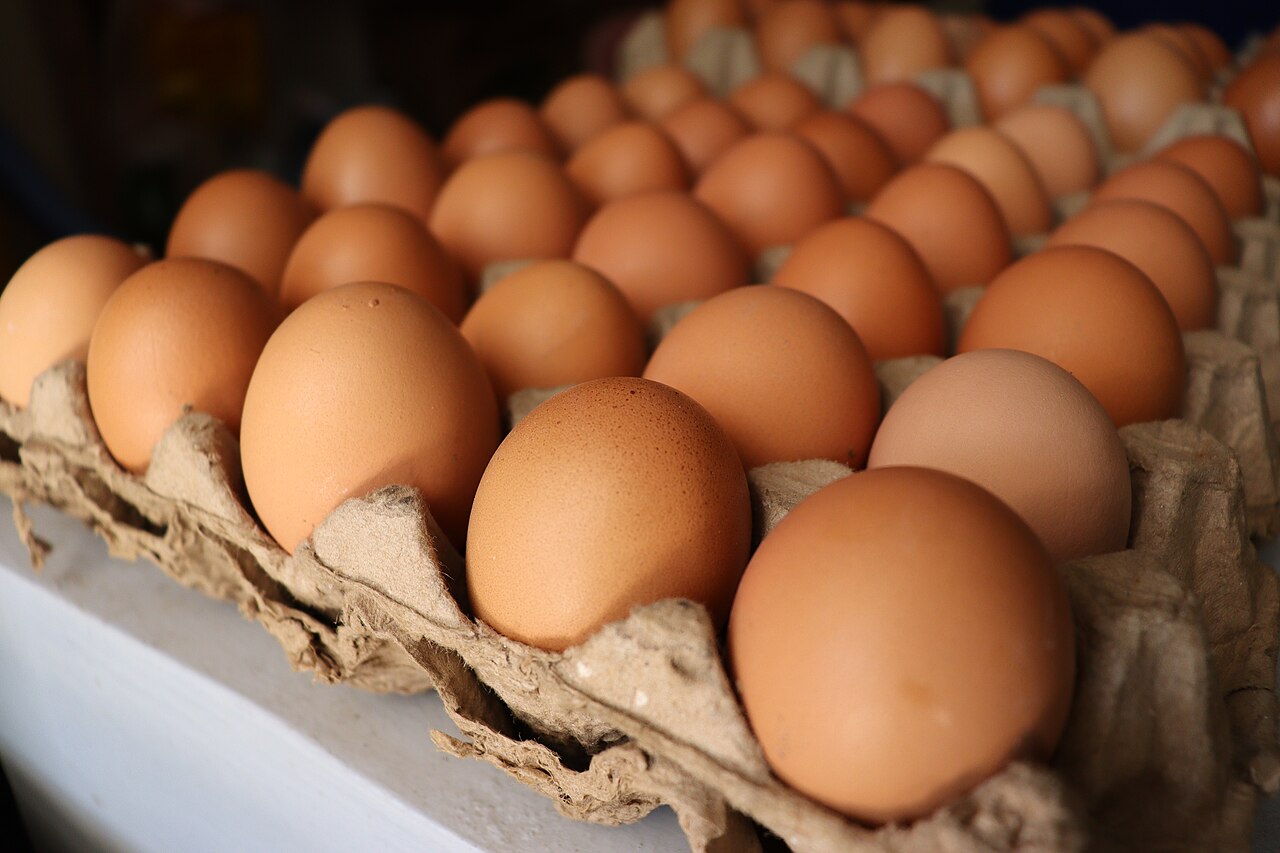
The best egg laying chickens are production hybrids like the Golden Comet, which can lay 250 to 320 eggs a year, followed by the White Leghorn at 250 to 300 and the Australorp at 250 to 280. These are typical hatchery estimates for a healthy hen in her prime laying years, and real numbers depend on age, feed, daylight and care.
The table below ranks 15 of the best egg laying chicken breeds by the midpoint of their typical annual range, with egg color and temperament so you can pick layers that also suit your yard and family.
Best Egg Laying Chicken Breeds Ranked
Ranges are hatchery-typical figures from major US hatchery breed listings, not guarantees. Breeds with similar midpoints are listed in rough order of reputation as layers.
| Rank | Breed | Eggs per Year (Typical) | Egg Color | Temperament |
|---|---|---|---|---|
| 1 | Golden Comet (red sex link) | 250 to 320 | Brown | Docile |
| 2 | White Leghorn | 250 to 300 | White | Flighty, active |
| 3 | Australorp | 250 to 280 | Brown | Docile |
| 4 | Rhode Island Red | 200 to 300 | Brown | Active, fairly docile |
| 5 | New Hampshire | 200 to 280 | Brown | Calm |
| 6 | Barred Plymouth Rock | 200 to 280 | Brown | Docile |
| 7 | Welsummer | 200 to 280 | Dark brown, speckled | Active, friendly |
| 8 | Easter Egger | 200 to 250 | Blue, green or pinkish | Friendly |
| 9 | Wyandotte | 180 to 260 | Brown | Calm |
| 10 | Delaware | 180 to 260 | Brown | Calm |
| 11 | Dominique | 180 to 260 | Brown | Calm |
| 12 | Speckled Sussex | 180 to 240 | Light brown | Friendly, curious |
| 13 | Buff Orpington | 150 to 250 | Brown | Docile |
| 14 | Ameraucana | 180 to 200 | Blue | Varies; can be flighty |
| 15 | Cream Legbar | 180 to 200 | Blue to greenish blue | Active |
These numbers assume good feed, clean water and long days. Most hens lay best in their first two years, and nearly all slow down or stop during molt and short winter days.
The 15 Best Egg Layers
Here is what each breed offers beyond the raw egg count.
1. Golden Comet
Golden Comets are red sex-link hybrids bred for production, and Cackle Hatchery lists them at 250 to 320 large brown eggs a year. Chicks are sexed by down color at hatch, so pullet orders are reliable.
They are friendly, easy birds that start laying early. As with other production hybrids, expect output to decline after the first two or three years.
2. White Leghorn
The White Leghorn is the classic commercial white-egg breed. Stromberg’s lists 220 to 300 large to extra large white eggs a year, and strong hens commonly reach 250 to 300. Leghorns are light, economical eaters.
The downside is temperament. Leghorns are flighty, very active and rarely tame, and Stromberg’s notes their single combs are subject to frostbite in extreme cold. They suit hot climates and keepers who value eggs over cuddles.
3. Australorp
Australorps are the top-laying pure dual-purpose breed for many keepers, with 250 to 280 large brown eggs a year typical. An Australorp hen famously laid 364 eggs in 365 days in official Australian trapnest testing.
Murray McMurray Hatchery describes the breed as quiet and gentle and rates it an excellent cold-climate bird. That mix of high output and calm temperament makes the Australorp the best all-round layer for beginners.
4. Rhode Island Red
Rhode Island Reds are hardy, friendly and good foragers, according to Mississippi State University Extension, and they lay about 200 to 300 brown eggs a year. They keep producing through moderate cold.
Reds can be assertive in a mixed flock, and roosters are often aggressive, so pair them with sturdy breeds rather than timid bantams.
5. New Hampshire
Developed from Rhode Island Reds for faster growth and earlier maturity, the New Hampshire lays about 200 to 280 large brown eggs a year. It is a calm, practical dual-purpose bird.
Mississippi State notes that New Hampshire hens make good mothers and often go broody, which can pause laying. If you want a slightly gentler alternative to the Red, it is a strong pick.
6. Barred Plymouth Rock
Barred Rocks lay about 200 to 280 brown eggs a year and are calm, docile and cold tolerant. Their black-and-white barring makes them easy to spot in the yard.
They are a classic family bird and do well in confinement or on free range.
7. Welsummer
Welsummers lay dark terracotta-brown eggs, often speckled, and hatcheries list 200 to 280 a year. They are active yet friendly birds and keen foragers.
Their single combs need watching in deep cold. Welsummers are also a common parent of olive egger crosses, thanks to their rich brown pigment.
8. Easter Egger
Easter Eggers lay 200 to 250 blue, green or pinkish eggs a year, with each hen laying her own shade. They are friendly, hardy and usually have frost-resistant pea combs.
Because they are a mixed type rather than a standardized breed, production varies more from hen to hen than in recognized breeds.
9. Wyandotte
Wyandottes lay roughly 180 to 260 brown eggs a year and are calm, cold hardy birds with low rose combs. They come in many laced color patterns.
They are a strong choice for northern flocks and less so for hot, humid summers.
10. Delaware
The Delaware was developed in 1940 as a dual-purpose bird with good egg and meat qualities, and it lays about 180 to 260 large brown eggs a year. It is calm and mostly white, with black barring on the neck and tail.
Delawares are a solid choice for keepers who want a bird that does a bit of everything.
11. Dominique
America’s oldest chicken breed lays about 180 to 260 brown eggs a year. Dominiques are hardy, docile and smaller than most dual-purpose breeds, so they eat less feed.
Their low rose comb makes them a good fit for cold climates.
12. Speckled Sussex
Speckled Sussex lay about 180 to 240 light brown eggs a year and are calm, gentle and curious. Their white-tipped mahogany feathers grow more speckled with each molt.
They are among the friendliest birds on this list and a good match for families.
13. Buff Orpington
Buff Orpingtons lay about 150 to 250 brown eggs a year. Hatchery listings run higher for some strains, with Stromberg’s citing up to 280 medium brown eggs. They are large, docile and handle cold well.
Orpingtons go broody often, which pauses laying. If you want maximum eggs, break broodiness early or choose a less broody breed.
14. Ameraucana
Ameraucanas lay about 180 to 200 blue eggs a year. Developed in the US in the 1970s from the Araucana, they are a recognized breed with beards, muffs and a pea comb.
Temperament varies: Mississippi State lists them as nervous and sometimes aggressive, while many lines are calm. Buy from a reputable source, since many chicks sold as Ameraucanas at farm stores are actually Easter Eggers.
15. Cream Legbar
Cream Legbars lay about 180 to 200 blue to greenish-blue eggs a year. They are crested, active and auto-sexing, so chicks can be sexed at hatch by down color.
They are alert foragers and handle both heat and cold when well managed.
What About Bantams and Other Popular Breeds?
Several well-loved breeds miss the top 15. Brahmas lay about 150 to 200 eggs a year, Cochins about 110 to 160, and Silkies about 90 to 120. They are wonderful flock members but not production birds.
Bantam versions of top layers, such as bantam Leghorns, Rhode Island Reds and Plymouth Rocks, also lay well, but their eggs are much smaller: about 15 to 20 ounces per dozen versus at least 24 ounces for USDA Large eggs. Three bantam eggs equal about two large ones.
How to Get the Most Eggs From Any Breed
Breed sets the ceiling, but care decides whether hens reach it. These basics matter most:
- Feed a complete layer ration and keep treats to a small share of the diet.
- Offer oyster shell free choice for strong shells.
- Provide about 14 hours of light if you want steady winter laying.
- Keep water clean and unfrozen year round.
- Collect eggs daily to discourage broodiness.
- Control mites and lice, and reduce stress from predators and crowding.
Expect a natural decline as hens age. Most laying breeds are most productive in their first two years, then lay fewer eggs each season after that.
Frequently Asked Questions
Quick answers to common questions about the best egg laying chickens.
How Many Hens Do You Need for a Dozen Eggs a Week?
About three hens of a top laying breed such as the Australorp or Golden Comet give a household roughly a dozen eggs a week. Keeping four covers the drop in laying during molt and short winter days, when even the best egg layers slow down.
How Many Years Do Laying Hens Produce Eggs?
Laying hens produce most of their eggs in their first two years, and most backyard flocks keep laying for about 3 to 4 years. Production hybrids such as Golden Comets usually decline after two or three years, and every breed lays a little less each season after that.
What Are the Best Egg Laying Chickens for Cold Climates?
The Australorp, Rhode Island Red, Barred Plymouth Rock and Wyandotte are among the best egg laying chickens for cold climates, each laying roughly 180 to 300 brown eggs a year. The Wyandotte’s low rose comb also resists frostbite better than a tall single comb.
What Is the Best Egg Laying Chicken for Hot Climates?
The White Leghorn is the best egg laying chicken for hot climates, laying about 250 to 300 white eggs a year on a light, economical frame. Leghorns are flighty rather than cuddly, and their large single combs suit heat better than deep cold.
Sources (6)
Facts on this page were checked against these references.
- Cackle Hatchery: Chicken Breeds
- Stromberg’s Chicks and Game Birds: White Leghorn Chicks
- Stromberg’s Chicks and Game Birds: Buff Orpington Baby Chicks
- Murray McMurray Hatchery: Black Australorps
- Mississippi State University Extension: Choosing the Right Breed for Your Backyard Flock (P3036)
- University of Wisconsin Division of Extension: Life Cycle of a Laying Hen
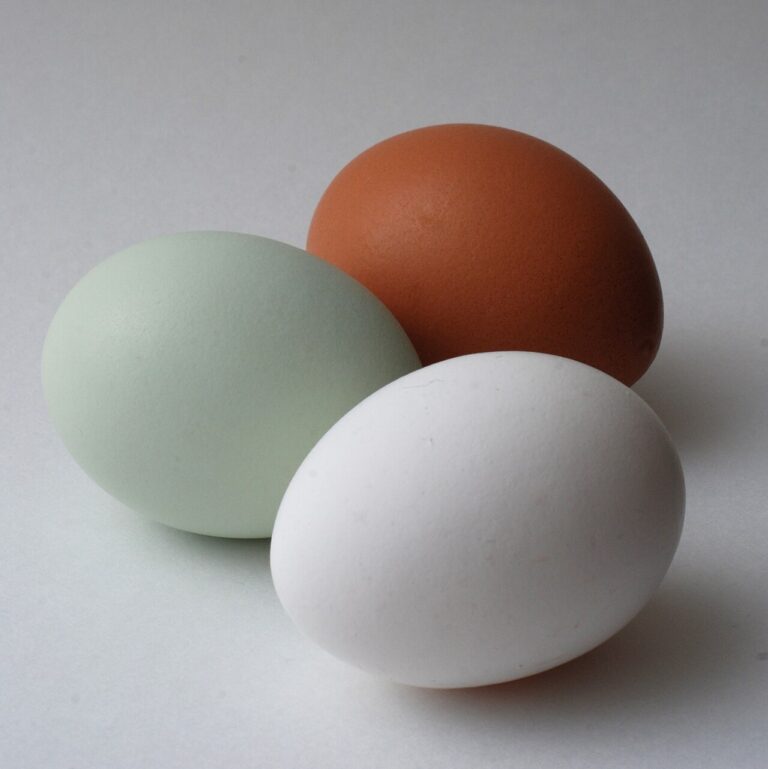 Chickens That Lay Colored Eggs