
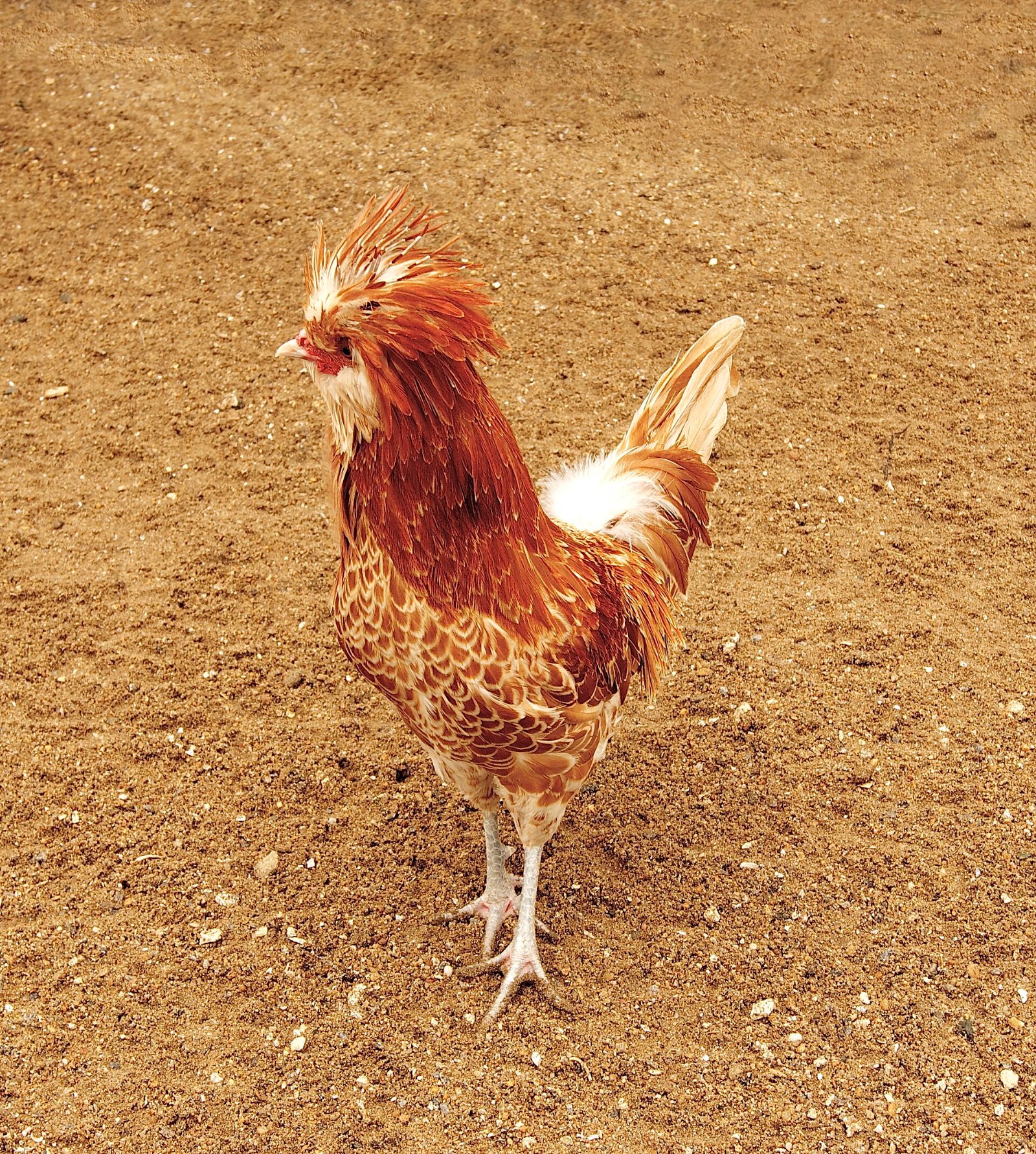
The Polish chicken is the bird with the oversized feather crest, the one that looks like it is wearing a pom-pom hat. It is an old European breed, a white egg layer, and one of the most recognizable ornamental chickens you can keep in a backyard flock.
That crest is also the reason the Polish needs a little more thought than most breeds. Below, we cover where the breed came from, how many eggs to expect, what it is like to live with, and the crest care, weather protection and housing choices that keep these birds healthy, in both standard and bantam sizes.
Polish Quick Facts
- Egg color
- White
- Eggs per year
- 100 to 200+ (about 150)
- Egg size
- Medium (bantam: small)
- Size class
- Standard and bantam
- Hen weight, standard
- 4.5 lb
- Rooster weight, standard
- 6 lb
- Temperament
- Gentle, docile, easily startled
- Cold hardiness
- Low
- Heat hardiness
- High (with shade)
- Broodiness
- Low
- Good for beginners
- With extra care
- Confinement
- Well suited to a covered run
- Purpose
- Ornamental, exhibition, eggs
- Start of lay
- About 20 weeks to maturity (hatchery figure)
- Comb type
- V-shaped
- Feathered feet
- No
- Crest
- Yes, large (bearded and non-bearded forms)
- Origin
- Uncertain; Europe, refined in the Netherlands
- APA / ABA recognition
- APA 1874 (large fowl now Continental class); APA and ABA bantam (AOCCL)
- Conservation status
- Recovering (Livestock Conservancy 2026)
- Lifespan
- 7 to 8 years (general chicken average)
History and Origin
Nobody knows exactly where the Polish chicken began. Crested birds that look very much like it appear in Dutch and Italian paintings going back to the 1400s, and the breed has also gone by the names Poland, Tophat and Paduan.
Origin Theories
One theory links its ancestors to the Mongol movements into Central and Eastern Europe in the Middle Ages, while another holds that the birds reached Holland from Spain. The name itself is usually tied to Polish military hats topped with a feather crest, rather than to proof of a Polish origin.
What is clearer is that Dutch fanciers of the eighteenth century did much of the work of refining the color patterns and the crest. The modern breed owes most of its look to them.
Arrival in America
The Polish is believed to have reached America between 1830 and 1840, and it was widespread by 1850. It was valued as a layer until the Leghorn took over that role, after which keepers maintained it mainly for exhibition.
The American Poultry Association (APA) admitted the Polish to its Standard of Perfection in 1874, starting with the non-bearded White Crested Black, Golden, Silver and White varieties. The APA’s current list places large fowl Polish in its Continental class, although older extension lists show a separate Polish class.
Conservation Status
The Livestock Conservancy lists the Polish as Recovering on its 2026 Conservation Priority List. That category covers breeds that were once listed in another category and have grown past Watch numbers, but still need monitoring. Some older magazine profiles still describe the breed as Watch, so the 2026 list is the current reference.
Appearance and Varieties
The Polish is a light bird with a large crest, and some birds also carry a beard and muffs. Hens grow a tidy, rounded crest, while roosters have a looser, messier mop of feathers.
Body and Head Details
Under the crest sits a raised, dome-shaped area of the skull that supports the feathers, often called a vaulted skull. Males have a red V-shaped comb that the head feathers can hide almost completely, along with white earlobes and red wattles. The legs are gray and clean, with no feathering, and each foot has four toes.
Recognized Varieties
The APA’s current list shows 11 large fowl varieties. It covers Golden, Silver, White and Buff Laced in both bearded and non-bearded forms, plus non-bearded White Crested Black, White Crested Blue and Black Crested White. Some older extension lists show only nine, leaving out White Crested Blue, which the Livestock Conservancy dates to 1963, and Black Crested White.
The bantam list is longer. The American Bantam Association’s 2021 variety list shows 17 Polish bantam varieties (including White Crested Cuckoo, White Crested Khaki and White Crested Chocolate), all in the Any Other Comb Clean Legged class.
| Size | Cock | Hen | Egg Size |
|---|---|---|---|
| Standard | 6 lb | 4.5 lb | Medium |
| Bantam | 30 oz | 26 oz | Small |
Standard weights agree across Oklahoma State University, the Livestock Conservancy and Cackle Hatchery, and Oklahoma State also lists cockerels at 5 pounds and pullets at 4 pounds. The bantam weights come from Stromberg’s hatchery listing rather than from an official breed standard.
Temperament
Polish chickens are generally gentle, friendly and docile. The catch is their limited view, because a full crest can hang over the eyes and leave the bird nervous and easy to startle.
Living With a Startled Bird
A good habit is to talk to your Polish as you approach, so it knows you are there before you reach for it. Birds that cannot see you coming are more likely to flutter off in a panic, and these are light birds that fly well and may even roost in trees.
Flock Mates
Their poor vision and mild manner also make them easy targets. Polish tend to be bullied by bolder, more aggressive breeds, and they need plenty of space so flock mates do not damage each other’s crests by picking.
Egg Laying
The Polish lays white eggs, usually rated medium, and hens rarely go broody. Sources disagree on the yearly count, so it helps to see the range before you decide.
How Many Eggs to Expect
The Livestock Conservancy puts production at about 150 eggs a year, Hobby Farms says three to four eggs a week, and WebMD gives 150 to 200. At the edges, Tractor Supply estimates around 100 a year while Oklahoma State University says 200 or more, so a fair expectation for a backyard hen is somewhere around 150.
Hens can begin a bit late in the season but tend to lay steadily once they start, and McMurray Hatchery lists about 20 weeks to maturity. If a full egg basket is your top priority, our list of the best egg layers will point you to more productive breeds.
Care Needs
Day-to-day care for a Polish is much like any other chicken, with good feed, clean water and a secure coop. The difference is the crest, which affects how the bird sees, how it handles weather and even how it drinks.
Crest Care and Trimming
Many keepers trim the feathers around the eyes so the bird can see. The Chicken Chick recommends sharp, blunt-tipped scissors and notes that if you cannot see the bird’s eyes, it cannot see well enough, but you should never trim emerging pin feathers.
Crests are also a favorite hiding place for lice and mites, so check them during regular health checks. Hobby Farms adds that careful trimming can reduce the risk of eye infections as well as improving vision.
Vision and Predators
Because feathers can fall over the eyes, Polish are less aware of approaching danger and more prone to attacks from aerial predators (such as hawks). A fully predator-proofed, covered run is the safer choice, and McMurray rates the breed poor at free ranging.
Cold and Wet Weather
Cold, wet weather is the hardest season for a Polish. A soaked crest can leave the bird chilled, and in freezing temperatures the wet feathers can ice up, which is why hatcheries such as McMurray rate cold tolerance as poor.
A dry, well-ventilated coop matters more for this breed than for most. In heat the Polish does better, and it handles warm weather well as long as shade is available.
Waterers and Feeders
Drinking water is a common source of wet crests. Ice can form in the crest from drinking water in cold weather, so choose a waterer that keeps the head feathers out of the water, and check crests for wet or frozen feathers on cold days.
Polish also tend to get pushed away from feeders, drinkers and roosts by bossier birds. Offering more than one feeding and watering station helps, and our feed calculator can help you plan quantities.
Crested Skull Health
The vaulted skull is linked to a known malformation in crested chickens. A 2021 genetics study in the journal G3 points out that a larger, fuller crest has been associated with cerebral hernia, where part of the brain extends into the raised dome of the skull. The authors note it is found only in birds with a large crest, not in small-crested breeds such as Silkies.
Bantam vs Standard Polish
Polish bantams are recognized too, but their varieties differ from the large fowl list. Using Stromberg’s figures, a bantam male weighs about 30 ounces and a female about 26, compared with 6 pounds and 4.5 pounds for standard birds.
Bantam eggs are small and white, and Stromberg’s lists three to four a week, similar to the standard bird’s rate. The ABA recognizes more bantam varieties than the APA lists for large fowl, though Black Crested White appears only on the APA’s large fowl list. Read our guide to bantam vs standard chickens for the broader trade-offs, and size your housing with the coop size calculator.
Who the Polish Suits
The Polish suits keepers who want a striking, gentle bird and do not mind a few extra chores. It does best in dry, warm climates, in a covered run, with calm flock mates and an owner willing to trim and check crests.
It is a harder fit for cold, wet regions, for free-range setups, or for anyone who mainly wants eggs. If you like crested birds but want something different, our Silkie profile covers another popular option, and the breed finder can match a breed to your setup.
Where to Buy Polish Chicks
Polish chicks are easy to find from mail-order hatcheries. Cackle and McMurray list standard Polish, while Meyer sells bantam chicks and Stromberg’s offers bantam hatching eggs.
Hatchery birds are fine for backyard pets, but if you want a specific color or plan to show, look for a breeder who works with that variety. New to small breeds? Our guide to bantam chickens explains what to expect.
Frequently Asked Questions
Quick answers to common questions about the Polish chicken. Each answer draws on the fuller sections above, which name the sources behind the figures.
How Many Eggs Does a Polish Chicken Lay?
Expect roughly 150 white eggs a year. Published figures range from about 100 to 200 or more, and the Livestock Conservancy gives about 150.
Are Polish Chickens Good for Beginners?
They can be, as long as you are ready for crest care, a covered run and protection from cold, wet weather. Their gentle nature is a plus, but their limited vision makes them easy to startle and easy to bully.
Do Polish Chickens Need Their Crests Trimmed?
Trimming the feathers around the eyes helps many birds see better. Use blunt-tipped scissors, trim only enough to uncover the eyes, and avoid emerging pin feathers.
Is the Polish Chicken Rare?
It is less rare than it once was. The Livestock Conservancy lists the Polish as Recovering on its 2026 Conservation Priority List, meaning numbers have passed its Watch level but are still monitored.
Sources (18)
Breed facts and figures on this page were checked against these references. Where sources disagree, as they do on egg counts, the text names the source for each figure.
- The Livestock Conservancy: Polish Chicken
- The Livestock Conservancy: 2026 Conservation Priority List, Poultry
- Oklahoma State University: Breeds of Livestock, Polish Chickens
- American Poultry Association: Accepted Breeds and Varieties
- University of Illinois Extension: Recognized Breeds and Varieties
- Mississippi State University Extension: Breeds and Varieties of Chickens
- American Bantam Association: Active Breed Variety List (March 2021)
- Montana State University Extension, Chouteau County: Poultry Descriptions
- G3: Genes, Genomes, Genetics (via PubMed Central): The Crest Phenotype in Domestic Chicken Is Caused by a 197 bp Duplication in the Intron of HOXC10
- Hobby Farms: Polish Chicken Breed, History, Traits and Care Tips
- Hobby Farms: Four Ornamental Chicken Breeds for Your Backyard
- The Chicken Chick: Tips for Care of Crested Chicken Breeds
- Murray McMurray Hatchery: White Polish
- Cackle Hatchery: White Crested Black Polish Chicken
- Stromberg’s: White Crested Black Polish Bantam Hatching Eggs
- Meyer Hatchery: White Crested Black Polish Bantam Day Old Chicks
- Tractor Supply: Polish Chicken Breed, Appearance, Temperament and More
- WebMD: What to Know About Polish Chickens
Photo credit: Buff Laced Polish chicken by Jebulon, via Wikimedia Commons, released into the public domain under CC0 1.0. Image resized.
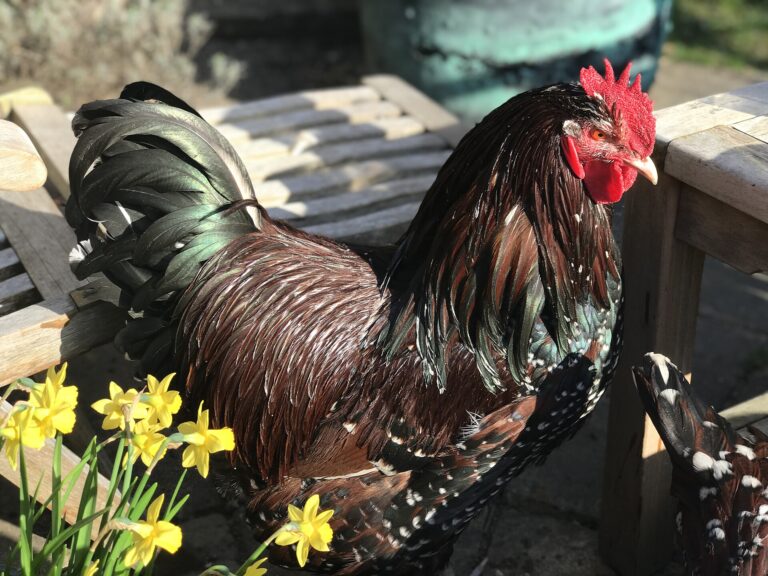 Sussex Chicken
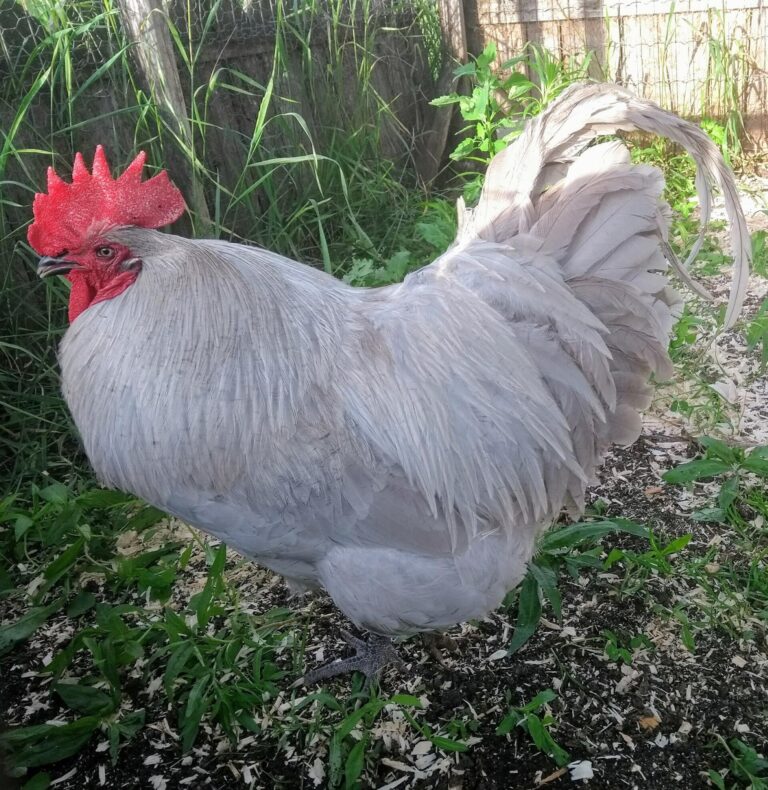 Lavender Orpington
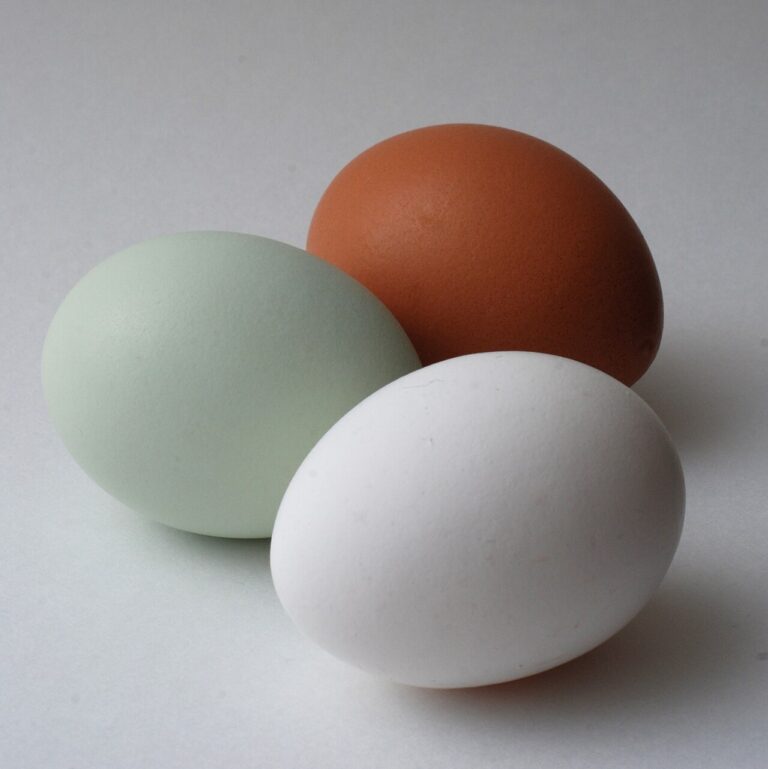 Easter Egger Chicken
 Australorp Chicken